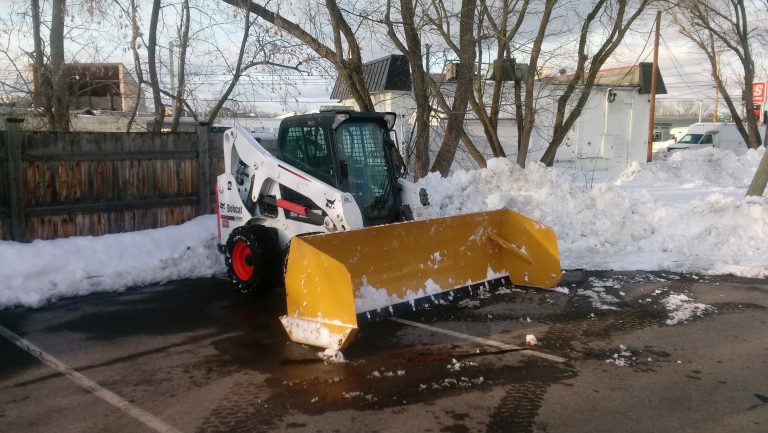

The Complete Guide to Commercial Snow Plowing Services
What New Hampshire Property Owners Need to Know About Commercial Snow Plowing
The intro is already written, include it as is and ensure the rest of the article is consistent with the intro.
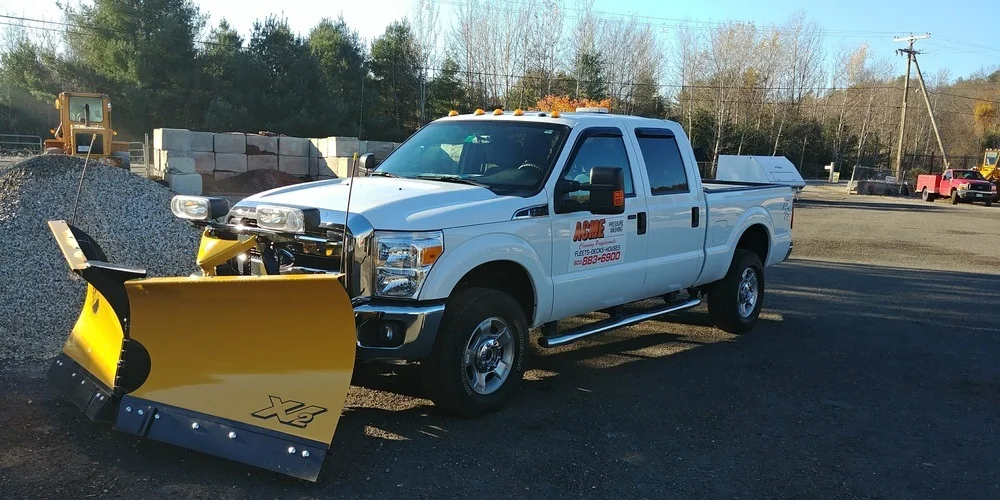
Commercial snow plowing is a professional service that clears snow and ice from parking lots, driveways, walkways, and other paved surfaces at business properties — keeping them safe, accessible, and legally compliant throughout the winter season.
Quick answer for property managers:
| Question | Short Answer |
|---|---|
| What is it? | Professional snow and ice clearing for commercial properties |
| Who needs it? | Offices, retail centers, healthcare, industrial, HOA communities |
| Main contract types | Per-push, seasonal flat-rate, time & material (T&M) |
| Typical services | Plowing, sidewalk clearing, de-icing, snow hauling |
| Why it matters | Safety, liability protection, and legal compliance |
| When does it start? | Before or immediately after snow accumulates (trigger depth) |
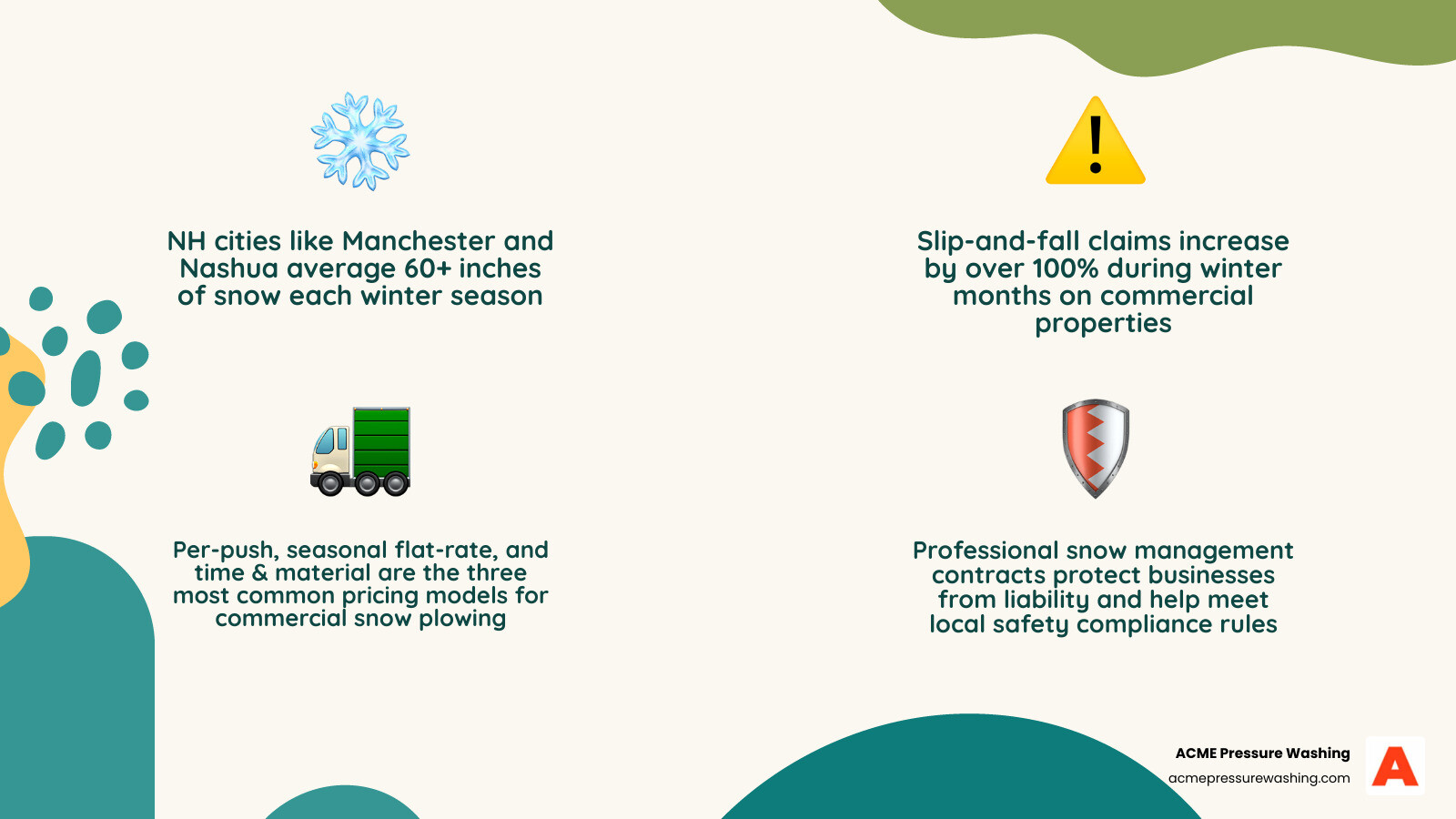
New Hampshire winters are no joke. Cities like Manchester, Nashua, Bedford, and Merrimack regularly face heavy snowfall, freezing rain, and back-to-back storms that can shut down a business overnight. Every inch of uncleared snow or untreated ice creates real risk — for employees, customers, and the property owner’s bottom line.
The stakes go beyond convenience. Local governments can issue fines for uncleared properties. Slip-and-fall accidents spike during winter months. And when sleet or freezing rain hits — which bonds to pavement far more aggressively than regular snow — the cost and complexity of clearing multiply fast.
Getting the right snow management program in place before the first storm is what separates prepared businesses from reactive ones.
I’m Lionel Greenwood, owner of ACME Pressure Washing, and I’ve spent more than 38 years providing commercial property maintenance services — including commercial snow plowing — across New Hampshire and Southern New England. In this guide, I’ll walk you through everything you need to know to protect your property this winter.
Understanding Commercial Snow Plowing Pricing Models
When securing a contract for commercial snow plowing, choosing the right pricing model is the foundation of a successful winter strategy. Different businesses have different tolerances for financial risk and varying operational hours.
To help you decide which setup makes the most sense for your facility, we have broken down the three primary contracting models used across the industry.
| Pricing Model | How It Works | Budget Predictability | Best For |
|---|---|---|---|
| Per-Push / Per-Event | Billed per service visit or per storm event based on accumulated depth. | Moderate (depends entirely on storm frequency). | Businesses with flexible hours or those in lower-snow years. |
| Seasonal Flat-Rate | A fixed monthly or seasonal fee covering all storms up to a negotiated cap. | High (identical monthly billing regardless of snowfall). | Retail centers, hospitals, and high-traffic offices needing strict budget certainty. |
| Time & Material (T&M) | Billed hourly for labor and equipment plus the actual weight of de-icing materials used. | Low (highly variable depending on storm duration and ice severity). | Large industrial sites, logistics hubs, or complex layouts with unpredictable clearing times. |
Selecting the right structure ensures your property gets serviced on time without unexpected financial surprises. To protect your paved surfaces long-term, we recommend pairing our Commercial Snow Plowing services with professional spring cleaning to wash away residual salt and grime.
Per-Push and Per-Event Contracts
A per-push contract charges a fixed fee every time a plow clears your lot. These contracts are structured around specific “billing triggers”—usually an accumulation of 1 to 2 inches of snow. If a single storm drops 8 inches of snow over 24 hours, a contractor might “push” your lot three separate times to keep it clear, resulting in three charges.
A per-event contract, on the other hand, charges a flat rate for the entire storm event, often tiered by snowfall brackets (e.g., 2–4 inches, 4–8 inches).
While these models are highly transparent—you only pay when it actually snows—they do have downsides. During a heavy winter in Manchester or Nashua, per-push costs can quickly exceed your annual budget. Additionally, because these contracts are transactional, they operate similarly to a route-based delivery service. Without a premium priority clause, your business may not be the first stop on the plow route.
To keep your storefront looking immaculate after the winter mess is cleared, look into our Commercial Pressure Washing Services to restore dirty walkways and concrete.
Seasonal Flat-Rate Commercial Snow Plowing
For maximum financial predictability, many property managers in Bedford and Merrimack opt for seasonal flat-rate contracts. These agreements run for a set period—typically from November through April—and charge a fixed monthly fee regardless of whether we get zero storms or twenty.
Seasonal contracts usually assume an average of 8 to 12 snow events per winter. This model shifts the financial risk of a severe winter from the property manager to the snow contractor. It provides absolute budget certainty, allowing businesses to plan their seasonal expenses down to the penny.
Even better, seasonal clients are always given top priority. Because these partnerships are locked in early, crews and equipment are pre-assigned to your site long before the first snowflake hits. This ensures rapid dispatch and reliable, around-the-clock service.
If your business relies on a fleet of delivery vehicles, keeping them clean and salt-free during these active winter months is easy with our specialized Fleet Washing Services.
Time and Material (T&M) Pricing
Time and Material (T&M) contracts are billed based on the exact hours our crews spend on your property, the specific machinery deployed, and the volume of de-icing chemicals applied.
This model is widely considered the most honest and precise pricing structure because you pay exclusively for the exact work performed. If a storm is light and fluffy, the job is finished quickly, and your bill is low. If the storm brings heavy, wet sleet that requires heavy machinery and three times the chemical treatment, the invoice reflects that extra effort.
T&M is highly favored for massive industrial complexes, shipping docks, and medical facilities where standard flat rates are difficult to calculate due to shifting operational demands. If you are managing a high-stakes facility, setting up a T&M plan for Commercial Snow Plowing Manchester NH guarantees that our team stays on-site as long as necessary to maintain safe, bare-pavement conditions.
Key Factors That Determine Commercial Snow Removal Costs
Calculating the cost of professional snow management involves analyzing several property-specific variables. No two parking lots are identical, and a professional contractor must evaluate your site’s physical layout and operational needs before providing an estimate.

- Property Size and Layout Complexity: A wide-open, rectangular warehouse lot is much easier and faster to plow than a retail plaza with tight drive aisles, landscaped islands, and light poles.
- Obstacle Mapping: Fire hydrants, speed bumps, utility meters, and shopping cart corrals require slower, specialized clearing techniques to avoid structural damage.
- Sidewalk Footage: Clearing walkways, handicap ramps, and building entrances requires manual labor, snowblowers, or specialized sidewalk machines, which increases labor costs.
- Snow Storage Space: If your property has limited space to pile snow, we must factor in the cost of heavy loaders to consolidate piles or dump trucks to haul the snow off-site.
- Business Hours and Priority Level: A 24/7 emergency care clinic or retail center requires continuous plowing during a storm, whereas an office building closed on weekends can often be cleared in a single pass after the storm ends.
If you are looking to secure your property’s winter safety plan in the southern tier, setting up a dedicated plan for Commercial Snow Plowing Nashua NH ensures your layout is mapped and staked before the ground freezes.
Average Industry Pricing and Cost Ranges
To help you budget, we have compiled average industry pricing ranges based on regional and national internet data.
Please note: All prices mentioned below are average costs sourced from publicly available online data and general industry averages. They are not the actual prices of ACME Pressure Washing and are provided solely to illustrate industry variability.
According to general industry averages, basic parking lot plowing for small commercial properties in the Northeast typically averages around $125 per hour. To account for regional demand, equipment sizes, and emergency response requirements, the actual market rates can vary widely:
- Hourly Plowing Rates (Wide Range): $250 to $625+ per hour (with the low end representing 2x the standard average and the high end scaling to 5x or more for heavy specialized machinery like front-end loaders).
- Small Commercial Lot (5,000–10,000 sq. ft.): Average seasonal contracts range from $1,200 to $2,500. Based on industry data, a wide-range estimate for this level of service spans from $2,400 to $6,250+ per season.
- Medium Commercial Lot (10,000–25,000 sq. ft.): Average seasonal rates sit around $4,000 to $7,000. The wide-range market pricing for these properties spans from $8,000 to $20,000+ per season.
- Large Commercial Property (25,000–50,000+ sq. ft.): Average seasonal rates generally run from $10,000 to $18,000. The wide-range industry pricing for full-service, 24/7 coverage on large sites spans from $20,000 to $50,000+ per season.
For personalized pricing tailored to your exact property dimensions and operational hours, we recommend scheduling a professional site assessment for Commercial Snow Plowing Bedford NH to lock in your winter rate.
What is Included in a Professional Snow Management Contract?
A comprehensive commercial snow contract is much more than just a guy with a plow truck showing up after a storm. It is a legally binding safety program designed to manage winter weather from start to finish.
A professional scope of work details exactly which areas will be cleared, what materials will be used, and how quickly our crews will respond to a winter event.

To ensure your facility is fully protected, we outline the primary services that should always be included in a professional snow management agreement.
Snow Plowing and Sidewalk Clearing
The core of any winter contract is clearing drivable and walkable surfaces. This includes parking stalls, drive lanes, loading docks, fire lanes, and dumpster pads.
Equally important is sidewalk clearing. Walkways, building entrances, vestibules, and handicap ramps must be cleared down to bare pavement to ensure safe pedestrian access and maintain strict compliance with the Americans with Disabilities Act (ADA).
When you establish a plan for Commercial Snow Plowing Londonderry NH, we map out these critical pedestrian zones in advance, ensuring that emergency exits and main walkways are cleared first.
Ice Management and De-Icing Protocols
Plowing alone is not enough to keep a property safe. Ice is the real culprit behind most winter slip-and-fall accidents. A professional contract must include detailed ice management protocols using a mix of liquid brine pre-treatments, rock salt, and premium chemical de-icers like calcium chloride or magnesium chloride.
While rock salt is effective at melting ice down to roughly 15°F, colder temperatures require specialized chemical treatments that continue to work even in sub-zero New Hampshire weather.
For properties that want to keep their building exteriors looking sharp and free of salt stains, pairing ice management with our professional House Washing Services in the spring will remove stubborn salt film from your siding, brickwork, and storefront entryways.
Snow Hauling and On-Site Melting
During heavy winters, massive snow piles can quickly take over valuable parking stalls, block sightlines at intersections, or restrict access to loading docks. When on-site storage space is exhausted, your contract should provide options for snow hauling or on-site snow melting.
Snow hauling involves using heavy front-end loaders to pack snow into large dump trucks and transport it to licensed off-site dumping facilities.
Alternatively, high-capacity on-site snow melters can process tons of snow per hour, filtering out debris and draining the water directly into storm sewers. This is often 40% more cost-effective than hauling and eliminates the risk of heavy trucks damaging your asphalt.
To get a customized layout map and snow storage plan for your business, click here to Contact ACME for a Quote and speak with our site planners.
Proactive Operations: Forecasting, Technology, and Zero-Tolerance
Modern commercial snow removal relies heavily on advanced technology and proactive planning. Gone are the days of waiting for the morning news to see if it snowed. Today, professional contractors use private weather forecasting services, GPS fleet tracking, and real-time digital communication to stay ahead of the storm.
By monitoring pavement temperatures and atmospheric conditions in real-time, we can dispatch crews and apply pre-treatments hours before the first flake falls. This proactive approach keeps your property open and safe throughout the entire storm.
Zero-Tolerance Commercial Snow Plowing Programs
For high-liability properties—such as medical centers, 24-hour retail hubs, and corporate offices—a “zero-tolerance” snow program is highly recommended.
Under a zero-tolerance program, dispatch occurs within one hour of any winter precipitation. Crews do not wait for a 2-inch trigger depth; they actively monitor the property and apply treatments the moment sleet, freezing rain, or snow begins to accumulate.
This proactive approach prevents snow from bonding to the pavement and stops ice from forming in the first place, ensuring maximum safety for your employees and guests.
To discuss setting up a zero-tolerance plan for your facility, call ACME at +1603-883-6900 to speak with our winter operations team.
Equipment and Technology Integration
At ACME Pressure Washing, we integrate advanced technology into our seasonal operations to ensure maximum efficiency and accountability.
- GPS Fleet Tracking: Every plow, loader, and salt spreader is equipped with real-time GPS tracking. This allows us to monitor crew locations, verify arrival and departure times, and redirect resources instantly if a storm intensifies in a specific area.
- Digital Site Mapping: Before winter begins, we create digital maps of your property, marking snow storage zones, fire hydrants, landscape beds, and high-priority walkways to guide our operators.
- Real-Time Documentation: Our crews log services digitally, capturing timestamps and photos of completed work to give property managers instant peace of mind and bulletproof liability defense.
If you are looking for a tech-enabled, highly reliable partner this winter, securing our services for Commercial Snow Plowing Goffstown NH ensures your business stays open no matter what Mother Nature throws our way.
Reducing Liability and Choosing the Right NH Provider
As a commercial property owner in New Hampshire, you have a legal obligation to maintain safe, accessible premises for your employees, customers, and visitors.
Failing to manage snow and ice promptly can result in costly municipal fines, operational disruptions, and devastating slip-and-fall lawsuits. Choosing a qualified, fully insured contractor is your best defense against winter-related liabilities.
Risk Mitigation and Legal Documentation
Slip-and-fall accidents are one of the leading causes of commercial liability claims during the winter months. If an injury occurs on your property, having professional, time-stamped documentation can serve as legal proof of due diligence.
A professional snow contractor keeps detailed digital service logs for every storm. These logs document:
- The exact time our crews arrived and departed.
- Pavement and air temperatures during the service.
- The specific equipment used to clear the site.
- The exact type and quantity of de-icing materials applied.
- Post-service photos showing clear, safe pavement.
This detailed paper trail is your shield against fraudulent claims. If you want to protect your business and minimize liability, setting up a documented plan for Commercial Snow Plowing Amherst NH ensures your property is managed with maximum care and professional oversight.
Selecting a Qualified Commercial Contractor
When evaluating commercial snow removal providers in New Hampshire, it is important to look beyond the lowest price. A cheap provider who fails to show up during a blizzard can cost you thousands of dollars in lost business and legal claims.
Use this checklist when choosing your provider:
- [ ] Experience & Local Knowledge: Do they have a proven track record of handling New Hampshire’s unpredictable winter weather?
- [ ] Dedicated Equipment Fleet: Do they own commercial-grade plows, loaders, and sidewalk machines, or do they rely on sub-contractors with pickup trucks?
- [ ] In-House Salt & Chemical Inventory: Do they maintain their own salt domes to avoid supply shortages during major blizzards?
- [ ] Comprehensive Liability Insurance: Do they carry specialized commercial snow removal insurance (which is different from standard landscaping insurance)?
- [ ] 24/7 Communication: Do you have direct access to a dedicated manager during a storm, or will you be routed to an automated call center?
To secure a reliable, highly experienced partner for your commercial property, lock in your seasonal contract for Commercial Snow Plowing Windham NH today before our winter routes are fully booked.
Frequently Asked Questions about Commercial Snow Removal
What is the difference between de-icing and anti-icing?
Anti-icing is a proactive pre-treatment applied to dry pavement before a storm begins, typically using a liquid brine solution. This liquid barrier prevents snow and ice from bonding to the asphalt, making plowing much easier and faster.
De-icing is a reactive treatment applied after snow has been plowed. It uses granular materials like rock salt or chemical melting agents to break down existing ice and prevent refreezing.
How does sleet affect commercial snow clearing operations?
Sleet is incredibly dense and heavy compared to snow. In fact, just 2 inches of packed sleet is equivalent to 10 to 12 inches of dry snow.
Because sleet contains so much water, it quickly bonds to pavement like solid concrete. Clearing sleet requires heavy-duty machinery and up to three times the amount of chemical de-icing treatment compared to standard snow plowing.
Why is liquid brine pre-treatment highly recommended?
Liquid brine is highly recommended because it is incredibly efficient and environmentally friendly. Applying liquid brine before a storm prevents the initial bond of ice to the pavement.
This proactive step can reduce total salt usage by 30% to 40% over the course of a storm. Using less salt saves money, protects your landscaping, and prevents salt runoff from damaging nearby waterways and concrete surfaces.
Conclusion
Managing a commercial property during a New Hampshire winter requires a proactive, reliable partner. From parking lots to pedestrian walkways, keeping your business safe, accessible, and open is our top priority.
At ACME Pressure Washing, we bring more than 38 years of local experience, commercial-grade equipment, and eco-friendly techniques to every property we manage in Merrimack, Manchester, Nashua, Bedford, and surrounding NH communities.
Don’t wait until the first blizzard is on the radar. Protect your business, reduce your liability, and ensure peace of mind all winter long.
To secure your customized Commercial Snow Plowing program, visit our Contact ACME page to request a free site assessment and quote.