How Soon Can I Wash My Vehicle After Oil Undercoating?
Learn how to time your first wash, choose appropriate wash settings, and manage winter road salt without unnecessarily stripping your oil undercoating.
The short answer
- Follow the instructions for the exact undercoating product; there is no universal waiting period.
- A body-only wash and a high-pressure undercarriage wash need separate approval.
- Skip automatic underbody sprays and degreasers until you know they are compatible with the treatment.
- Keep removing winter salt using an approved wash routine rather than avoiding washing all season.
How long should you wait after oil undercoating?
There is no single waiting period that works for every oil undercoating. The safe timing depends on the product applied, its application instructions, and whether you plan to wash only the painted body or spray the treated undercarriage.
Many oil-based treatments remain soft or oily rather than curing into a hard shell. Waiting until the underside looks dry is therefore not a reliable test. Likewise, a waiting period recommended for a different coating may have little relevance to the treatment on your vehicle.
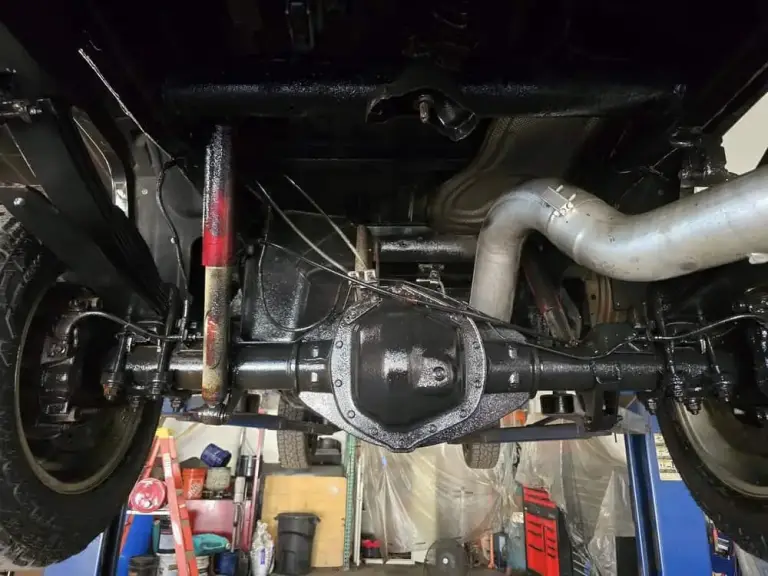
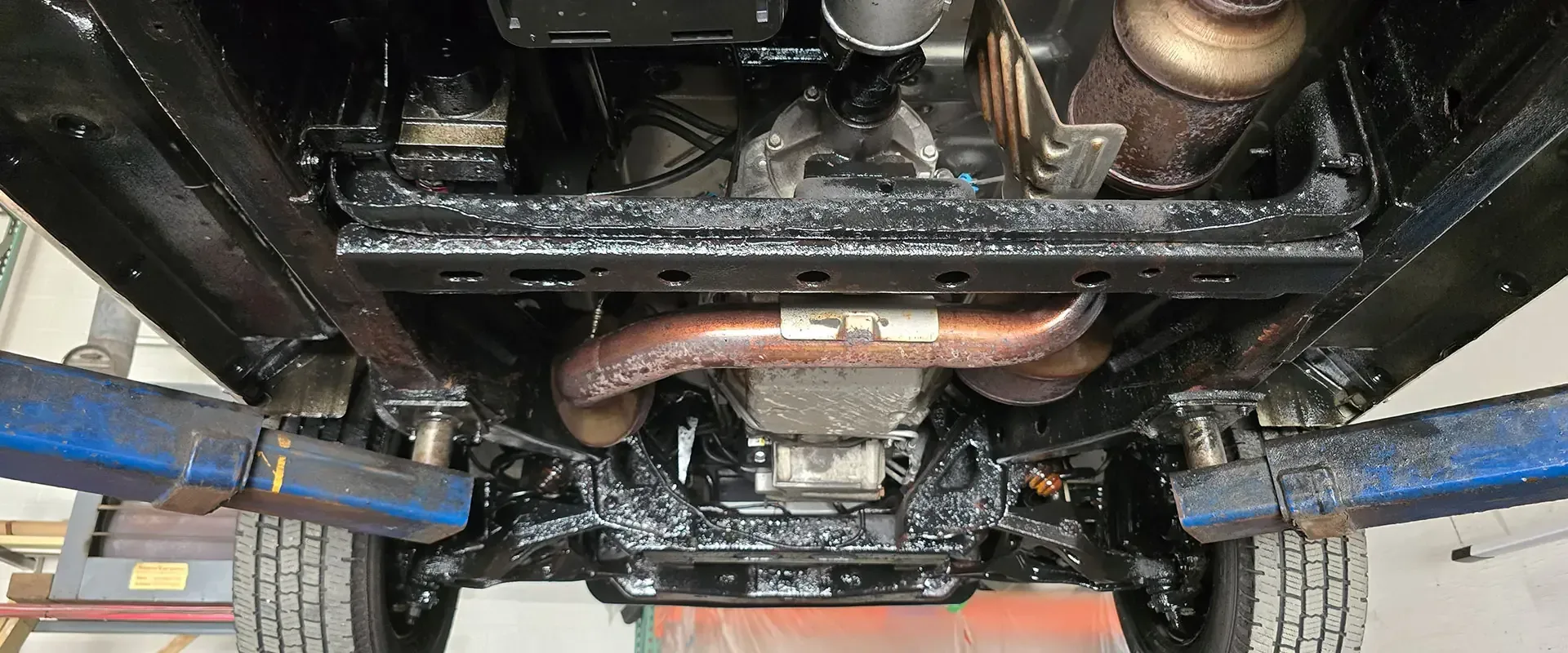
ACME Pressure Washing, a family-run company based in Merrimack, offers oil-based vehicle undercoating to protect undercarriages from New Hampshire road salt, brine, moisture, and rust. The practical question after treatment is how to remove road contamination while preserving that protective film.
Before choosing a wash, get answers to these questions:
- What exact product was applied, and what are its washing instructions?
- When is a body-only wash allowed?
- When, if ever, are automatic underbody sprays or pressure washing appropriate?
- Are there restrictions on detergents, degreasers, or wash additives?
If you have those answers in writing, follow them. Otherwise, use the contact page to ask about your treatment before selecting a wash package. Do not substitute a generic online waiting period for product-specific guidance.
Check what the wash will actually spray
The name of a wash package does not tell you enough. A basic wash may include an underbody rinse, while a more customizable service may let you exclude it. Confirm the actual process.
Body-only washing
A body-only wash focuses on painted panels, glass, and other exterior surfaces. It can be an option when the treatment instructions permit it, but the wash operator still needs to know about the fresh undercoating. Spray directed around lower body seams, wheel openings, and running boards may reach treated areas. A hand wash is not automatically compatible if it includes aggressive cleaning underneath.
Wheel wells and lower edges
These areas collect road salt and grime, but they may also contain freshly treated surfaces. Ask where the coating was applied before requesting wheel-well cleaning. Avoid treating the entire wheel opening with a strong cleaner just because it is sold for automotive use. Wheel cleaners and all-purpose degreasers have different purposes and may not suit an oily protective film.
Undercarriage washing
Concentrated spray and grease-cutting cleaners can disturb an oil coating. An automatic wash may direct jets upward before you reach the main wash equipment, so ask before entering the lane. If staff cannot confirm that an unsuitable underbody stage can be disabled, choose another option. Even after the initial waiting period, the product may still limit pressure or chemicals used underneath.
Use a careful checklist for the first permitted wash
Once the treatment instructions allow a body wash, keep the first visit straightforward. Tell anyone washing the vehicle when it was undercoated and explain the restrictions. For a permitted body-only hand wash, use this checklist:
- Choose a suitable location. Use a designated vehicle-washing area with secure footing and appropriate drainage. If the vehicle is shedding oily residue, discuss that with a professional wash facility rather than rinsing it toward a driveway or street drain.
- Park and let the vehicle cool. Switch it off, apply the parking brake, and allow brakes and exhaust components to cool. Close windows and follow the vehicle manual's washing precautions, including any instructions for charging ports or damaged exterior components.
- Keep the cleaning products simple. Use a body-wash product compatible with both the vehicle finish and the treatment instructions. Skip degreasing, engine cleaning, and extra chemical treatments unless their suitability has been confirmed.
- Keep washing within the approved area. Do not direct concentrated spray underneath or probe coated seams with brushes. Never crawl beneath the vehicle, reach near hot components, or lift it on a jack to make washing easier.
- Check from a safe standing position afterward. Look for unusual residue on accessible lower panels and note anything worth asking about. Do not reach underneath to test whether the coating feels oily, and do not assume appearance alone proves how much protection remains.
If the wash cannot follow the restrictions, postpone that service or choose a different provider. Leave hidden-underbody inspection, lifting, and coating touch-ups to qualified professionals.
Balance winter salt removal with coating protection
Undercoating does not make winter washing unnecessary. Salt and dirty slush still collect on the body, around openings, and underneath. The goal is an approved cleaning routine that removes contamination without repeatedly stripping the treatment. Avoiding every wash until spring is not a useful default.
If salt is already on the roads, explain your actual driving conditions when asking for aftercare advice. A short trip on dry roads and repeated highway driving through salty spray create different cleaning needs.
- During the initial restricted period: Follow the product's directions and ask what cleaning is allowed if the vehicle picks up heavy salt before that period ends.
- When body washing is permitted: Remove visible salt from approved exterior surfaces without adding an unapproved underbody rinse.
- For ongoing underside cleaning: Establish a compatible method with the treatment provider rather than assuming either unlimited pressure washing or no washing at all.
If outdoor washing would create ice on the driveway or walkway, use a suitable professional facility instead.
Winter salt removal and undercoating maintenance should be planned together.
Know what washing can—and cannot—tell you about the coating
An oily treatment can collect dust, and its appearance can change with driving and washing. A dusty underside does not automatically mean the protection has failed. Conversely, a clean-looking chassis does not prove that enough coating remains. Color and shine are poor substitutes for an informed condition assessment.
If you suspect a wash disturbed the treatment, write down useful details before calling:
- The treatment date and product name, if available.
- The wash date and whether it included upward-facing jets.
- Any degreasing or wheel-well cleaning that was selected.
- Where you noticed a change, photographed only from a safe, accessible position.
Do not try to correct a suspected thin spot with a random aerosol coating. Different materials may have different compatibility and preparation requirements, and some vehicle components must remain free of treatment. A professional can determine whether inspection or touch-up is appropriate.
Likewise, do not assume every oily mark beneath the vehicle is harmless undercoating runoff. New or persistent drips may need automotive assessment. If braking changes, a warning light appears, or oily material reaches tire tread, stop driving when safe and have a qualified automotive professional assess the issue. Do not attempt to wash away a possible mechanical problem.
Keep a simple wash plan with your vehicle records
A short aftercare note makes future washes easier, especially when several people drive the vehicle or use the same wash membership. Keep it with your service records so nobody has to reconstruct the instructions at the wash entrance.
Your note should include:
- The application date and exact treatment product.
- The earliest permitted body wash and any conditions attached.
- The instructions for undercarriage and wheel-well cleaning.
- Products or wash features that should be avoided.
- Who to ask if a wash method or the coating's condition is uncertain.
Check any automatic wash subscription against those instructions. A saved package may include an underbody stage every visit, even when you only intended to remove salt from the doors. Anyone else using the vehicle should know which package is suitable and when to ask an attendant for help.
Keep track of frequent washing, heavy salt exposure, and any professionally identified coating wear.
Common questions
Can I use my automatic car-wash membership after oil undercoating?
Check both the coating's aftercare instructions and the membership package. If an unsuitable underbody spray cannot be disabled, use a different wash option rather than assuming the basic package avoids it.
What if it rains after my undercoating appointment?
Rain and normal wet-road exposure are different from concentrated wash jets, but product instructions still matter. Ask about any driving restrictions before leaving, especially if wet or salty roads are expected.
Does the coating need to become dry and hard before I wash?
Many oil-based undercoatings remain soft or oily, so waiting for a hard finish is not a reliable approach. Use the washing instructions for the actual product rather than judging readiness by touch or appearance.
Should I add more undercoating after every car wash?
Do not assume another application is needed after every wash. If you suspect the treatment was disturbed, provide the treatment provider with the wash details and let a professional determine whether an assessment or touch-up is appropriate.