How to Clean Your Home Exterior Without Harming the Planet
Is Eco Pressure Washing Right for Your Property?
What is eco pressure washing? Here’s a quick answer:
- Uses low pressure or calibrated PSI instead of high-force blasting
- Relies on biodegradable, plant-based, or bio-based detergents instead of harsh chemical cleaners
- Protects surrounding plants, soil, and waterways by reducing chemical runoff
- Works on most exterior surfaces — siding, roofs, concrete, wood decks, fences, driveways, and commercial buildings
- Produces less wastewater damage — eco-friendly methods can reduce environmental runoff harm by up to 90% compared to traditional chemical-based approaches
Eco pressure washing is one of the most effective ways to clean your home’s exterior, commercial property, or fleet vehicles without leaving a trail of chemical damage behind. But if you own property in Merrimack, Manchester, Bedford, or Nashua, you already know the challenge: New Hampshire winters leave behind road salt, ice melt residue, and moisture that feed algae, mold, and mildew all spring and summer. The temptation is to blast it all away with maximum pressure and strong chemicals.
The problem? That approach can damage surfaces, harm your landscaping, and send a soup of detergents and grime straight into local storm drains and waterways — sometimes doing more harm than the dirt itself.
There’s a smarter, cleaner way to do it.
I’m Lionel Greenwood, owner of ACME Pressure Washing, and I’ve spent 38 years cleaning homes, commercial buildings, and fleet vehicles across New Hampshire using techniques that get real results without unnecessary environmental risk — what many now call eco pressure washing. In this guide, I’ll walk you through exactly how it works, what chemicals and equipment are involved, and how to make sure the job gets done right.
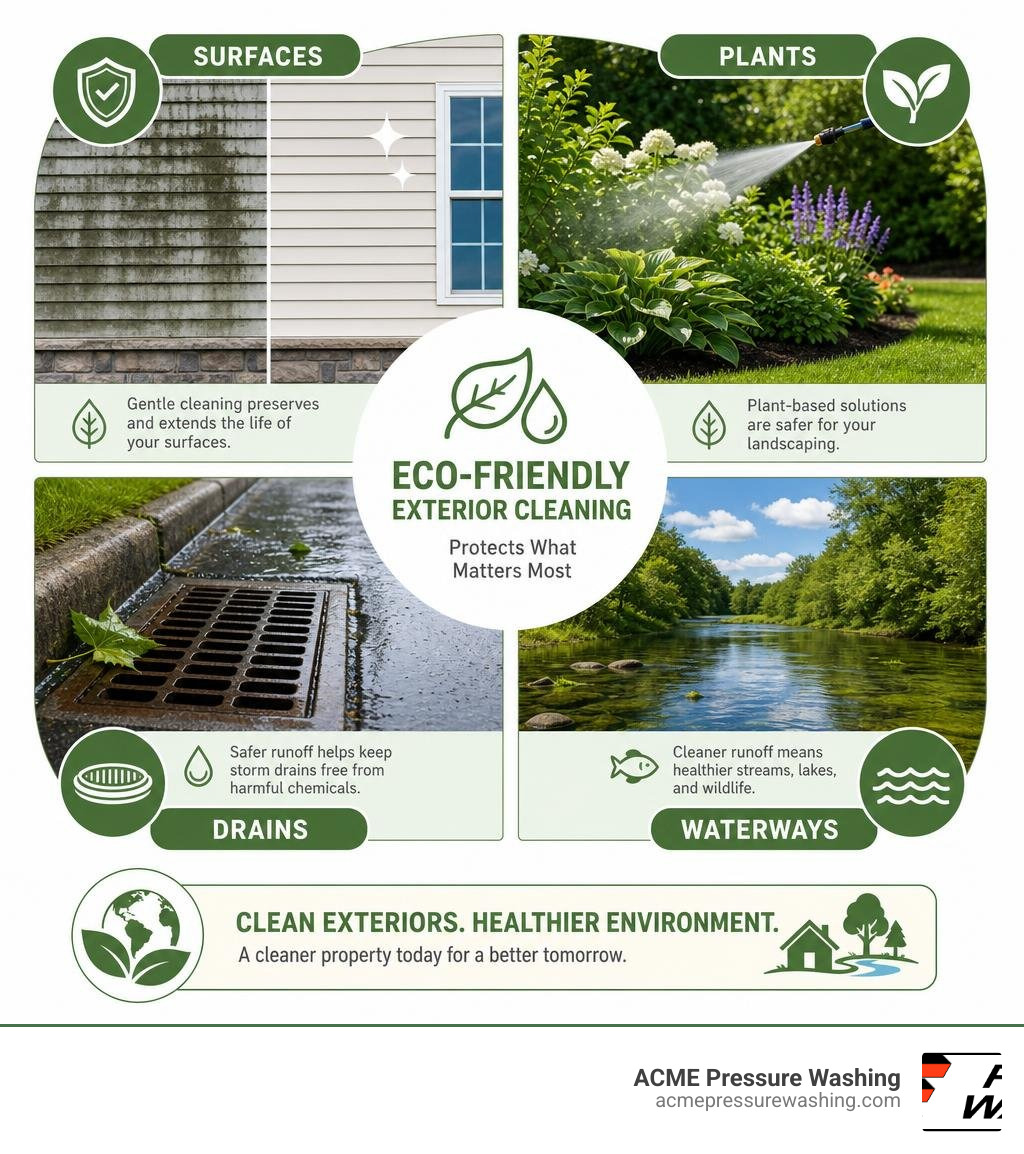
Eco pressure washing terms explained:
What Eco Pressure Washing Means and Why It Matters in New Hampshire
When we talk about eco pressure washing, we are describing a complete system of exterior cleaning that balances high-performance results with environmental safety. In New Hampshire, our unique four-season climate brings heavy snow, spring mud, and humid summers. These conditions create a breeding ground for organic growth like algae, mold, mildew, and moss on our homes and commercial buildings.
At the same time, winter maintenance leaves a heavy coat of road salt and corrosive ice melt on driveways, walkways, and commercial parking lots. Property owners in Merrimack, Bedford, and Manchester need a reliable way to clean these surfaces without introducing harmful chemicals into our beautiful local ecosystems.
Traditional power washing often relies on brute force — blasting surfaces with water pressures up to 4,000 PSI — or using harsh chlorinated compounds and synthetic acids. This approach can strip paint, gouge wood, destroy mortar, and leave behind toxic runoff.
By contrast, eco pressure washing shifts the focus to smart science. We combine water efficiency, low-pressure soft washing, and biodegradable, bio-based cleaners that break down safely into natural elements. This methodology ensures we achieve a deep clean while protecting our local soils, plants, and watersheds. For homeowners with siding, choosing a greener path like an eco vinyl siding restoration is the best way to preserve curb appeal without harming the environment.
| Feature | Traditional Pressure Washing | Eco Pressure Washing |
|---|---|---|
| Water Pressure | High force (3,000 to 4,000+ PSI) | Calibrated low-to-medium pressure (soft wash) |
| Detergents | Harsh chlorine, phosphates, synthetic acids | Biodegradable, plant-based surfactants, bio-solvents |
| Water Usage | High volume, continuous flow | Low-flow high-efficiency nozzles, water conservation |
| Runoff Impact | Toxic chemicals enter storm drains and soil | Up to 90% reduction in environmental runoff damage |
| Surface Safety | High risk of chipping, gouging, and water intrusion | Safe for delicate siding, roofs, and soft wood grains |
How eco pressure washing differs from traditional pressure washing
The core difference lies in how we achieve clean results. Traditional pressure washing relies almost entirely on physical force to tear dirt and organic growth away from a surface. This intense pressure can easily damage vinyl siding, strip protective coatings, and force water behind building envelopes. It is a high-risk method that often leaves properties looking like a high-pressure mess. That is why we encourage property owners to switch to low-pressure house cleaning.
In contrast, eco pressure washing uses calibrated, lower PSI settings customized to each specific surface material. Instead of blasting, we apply specialized soft wash detergents that loosen the bond between the grime and the surface. By letting the eco-friendly solutions do the heavy lifting, we can gently rinse away dirt, mold, and salt residue with minimal water force. This surface-specific approach prevents structural damage while ensuring a more thorough, even clean.
Environmental benefits of greener chemicals and methods
The environmental benefits of green pressure washing are profound. Research indicates that using eco-friendly cleaning chemicals can reduce environmental runoff damage by up to 90% compared to traditional chemical-based methods.
When conventional, non-biodegradable detergents wash off a house or a parking lot, they sink into the surrounding soil, damaging root zones, killing beneficial soil microbes, and endangering local wildlife. Eventually, these chemicals flow into storm drains, feeding directly into New Hampshire’s lakes, rivers, and underground water tables.
By choosing bio-based chemicals, we ensure that any overspray or runoff naturally biodegrades into harmless carbon dioxide and water. These green solutions have low Volatile Organic Compounds (VOCs), emit very low odors, and possess high flash points, making them safer for the atmosphere, our technician teams, and your family.
What eco-friendly pressure washing chemicals actually do
How do these eco-friendly agents work if they don’t rely on harsh chlorine or phosphates? They are formulated using advanced, natural ingredients:
- Plant-Based Surfactants: These natural compounds reduce the surface tension of water, allowing it to penetrate deeply into greasy soils and lift them away from surfaces.
- Citrus Degreasers: Extracted from citrus peels, these natural solvents dissolve heavy oils, road grime, and soot without toxic fumes.
- Oxygen Cleaners: Utilizing hydrogen peroxide or sodium percarbonate, these agents release oxygen bubbles that lift mold, mildew, and algae stains physically from porous surfaces.
- Enzyme Cleaners: These bio-based formulas break down complex organic stains, such as bird droppings, tree sap, and food waste, into simple, easily washable elements.
These pH-neutral soaps and bio-solvents suspend dirt particles in a water-soluble solution, allowing them to rinse away cleanly without leaving chemical residues behind. To ensure safety, we always verify product labels and select formulas certified by green standards.
Safe Eco Pressure Washing Methods for Every Exterior Surface
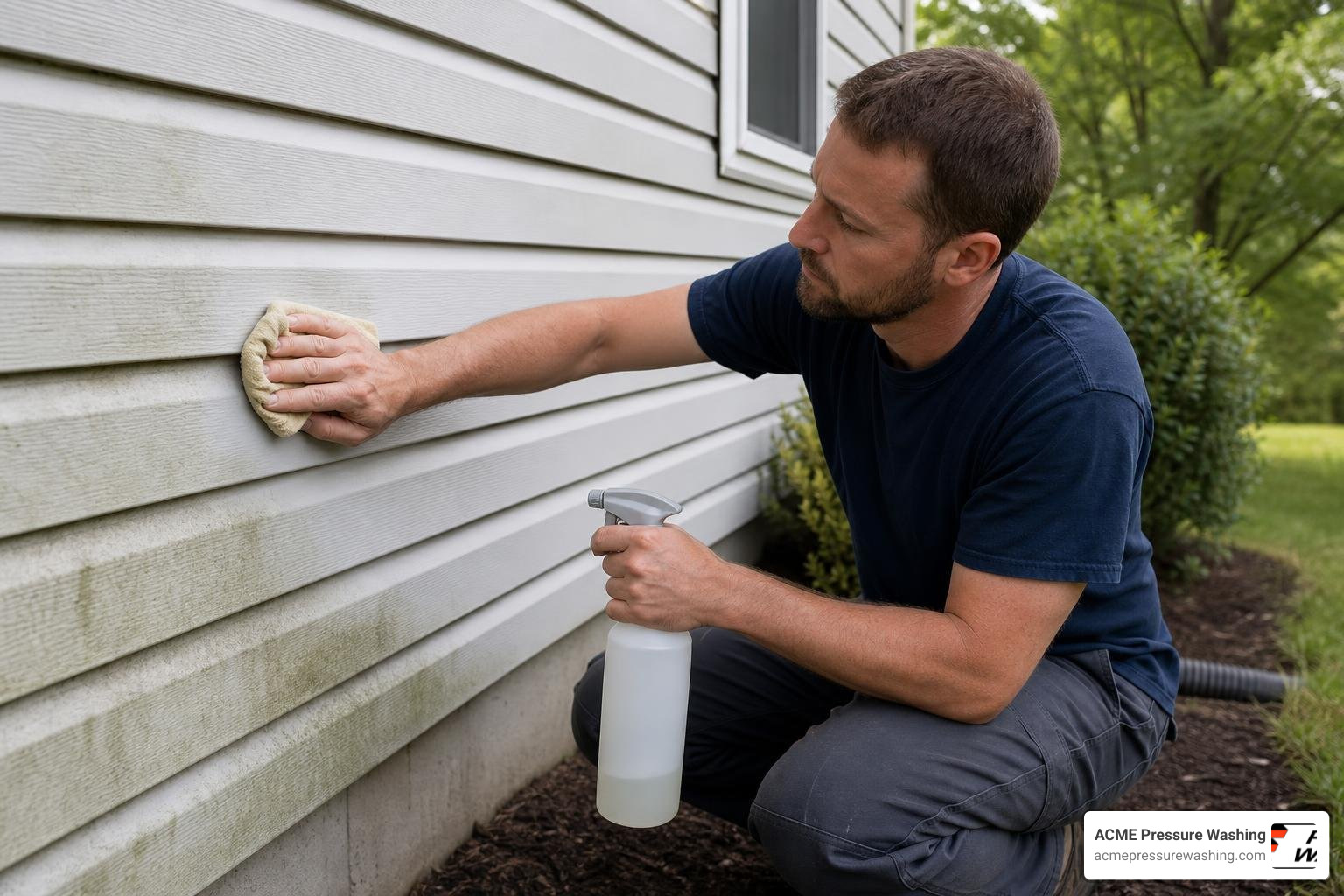
No two surfaces on your New Hampshire property are identical. A concrete driveway can withstand cleaning methods that would completely ruin a cedar deck or a shingle roof. Implementing a safe eco pressure washing protocol requires carefully selecting the right pressure, the appropriate bio-based detergent, and the correct dwell time for every material.
Before we begin any job in Nashua or Bedford, we perform a surface test on a small, inconspicuous area to verify how the material reacts to our cleaning agents and pressure levels. To learn more about our general residential services, check out our house pressure washing services.
Eco pressure washing for siding, roofs, and delicate building materials
Delicate surfaces like vinyl siding, painted wood, and asphalt shingle roofs require a specialized low-pressure method called soft washing. High-pressure blasting can easily crack vinyl, strip away paint, or tear off protective shingle granules, leading to costly leaks and premature roof failure. To avoid these issues, we recommend reading about the benefits of soft washing over high-pressure blasting.
Our soft wash process uses high-volume, low-pressure water streams combined with biodegradable detergents to gently dissolve algae, moss, and lichen. If you are noticing dark streaks on your roof, our specialized roof pressure washing methods can safely restore them.
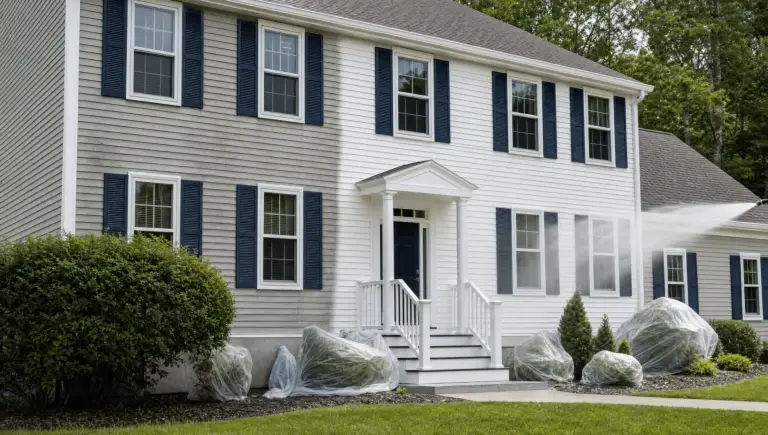
Before applying any detergents, we thoroughly pre-rinse all surrounding plants with plain water. This creates a protective moisture barrier on the leaves, preventing them from absorbing any overspray. For homeowners in the Queen City, scheduling a professional Manchester soft wash is the safest way to maintain a clean exterior without risking structural damage.
Eco pressure washing for asphalt, concrete, walkways, and patios
Hardscapes like asphalt, concrete, brick walkways, and stone patios are highly durable but highly porous. They act like sponges for oil stains, rust, tire marks, and deeply rooted weeds. To clean these areas safely:
- Asphalt Care: High pressure can strip away the fine aggregate particles that hold asphalt together. We use low-pressure settings combined with bio-based degreasers to lift petroleum stains without compromising the structural integrity of your driveway or parking lot.
- Concrete & Brick: For concrete walkways and patios, we utilize professional rotary surface cleaners. These tools distribute water pressure evenly across a flat plane, preventing the zebra-striping patterns caused by standard spray wands.
- Stain Treatment: We apply oxygen-based cleaners and citrus solvents to lift stubborn grease and rust stains. For properties in Nashua and Bedford, we ensure all runoff is managed using reclaim mats to protect the surrounding soil. To explore our hardscape restoration options, read more about our walkway and patio cleaning services.
Wood, decks, fences, and outdoor structures
Wood is a natural, soft material that can easily splinter, fuzz, or scar under high-pressure water. Whether you have a pressure-treated deck, a cedar fence, or composite outdoor structures, a gentle touch is required.
To clean wood safely, we apply a specialized, eco-friendly wood wash that targets mold, gray weather-wear, and old sealers. We then use soft-bristle brushes to agitate the surface gently, breaking up deep-seated dirt without tearing the delicate wood fibers.
After a thorough low-pressure rinse, the wood is left clean, open, and ready for protective staining or sealing. Discover how we revitalize these spaces by checking out our eco-friendly wood deck wash services and our fence pressure washing services.
Equipment, Techniques, and Water Sources That Make Exterior Cleaning Greener
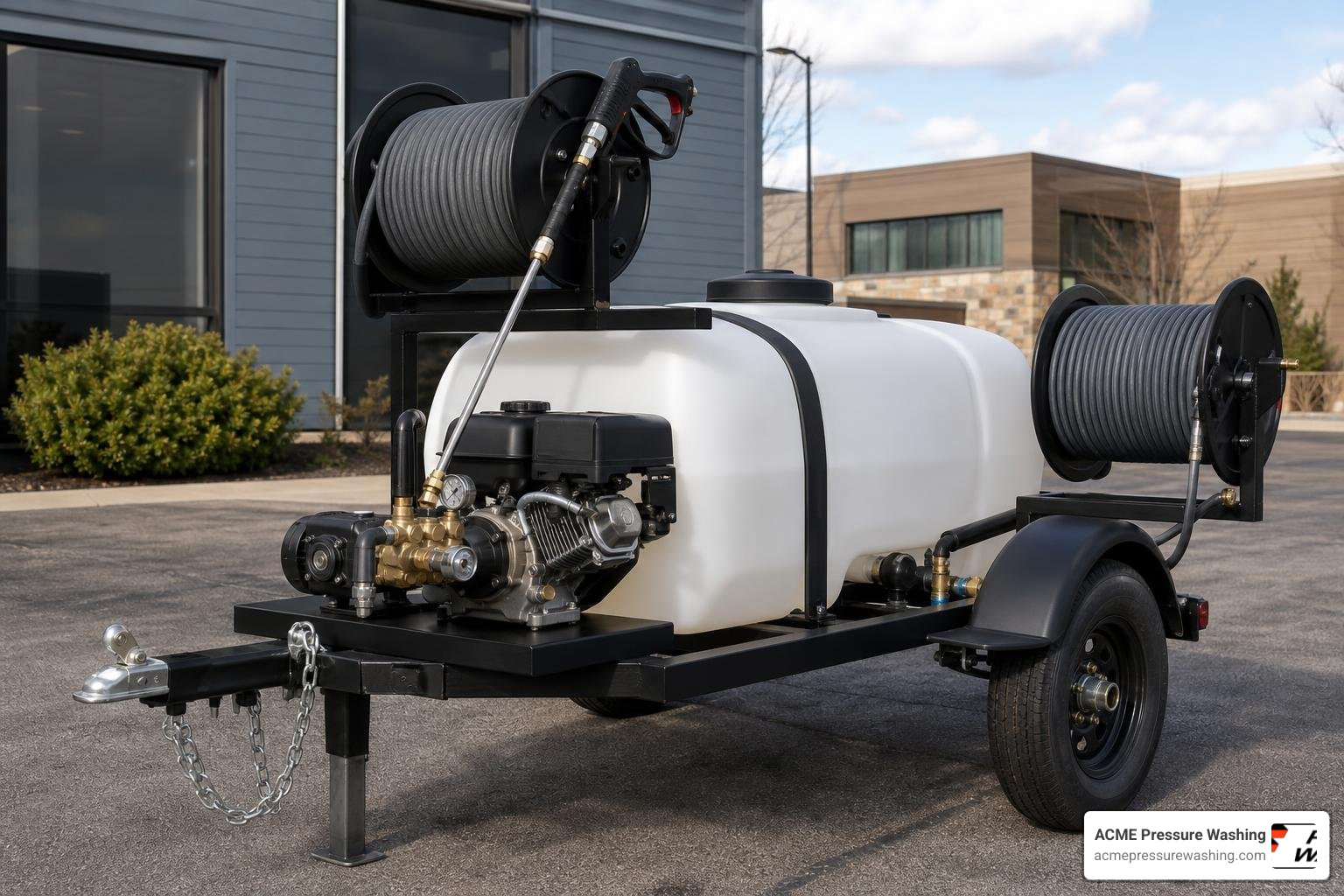
Achieving a truly green exterior clean requires more than just changing our soap; it demands using highly efficient equipment and smart techniques that conserve resources. Modern commercial equipment allows us to complete large cleaning projects with a fraction of the water and energy used by older, gas-guzzling models.
Professional equipment choices that reduce waste
In the professional cleaning industry, we utilize advanced tools designed for precision and resource conservation:
- Variable Pressure Controls: Our machines feature adjustable pressure regulators. This allows us to instantly dial down the PSI to the exact level needed, saving energy and protecting surfaces.
- Low-Flow High-Efficiency Nozzles: By using specialized spray tips, we can maximize the cleaning impact of our water stream without increasing the total volume of water used.
- Metered Chemical Injection (Downstreaming): This technique allows us to inject our eco-friendly detergents directly into the water line after it leaves the pump. It ensures we apply a highly precise, minimal amount of cleaning solution only when and where it is needed.
- Battery-Powered Alternatives: For smaller residential and commercial tasks, we often use advanced electric or battery-powered pressure washers. These units deliver reliable cleaning power without exhaust emissions, significantly reducing noise pollution in quiet New Hampshire neighborhoods.
- Onboard Water Tanks: Our trucks are equipped with large, integrated water storage tanks. These systems allow us to transport water directly to remote job sites, reducing our reliance on local residential water supplies.
Techniques that improve results without overusing chemicals
A skilled technician knows that smart physical preparation can dramatically reduce the need for cleaning agents. Before turning on any pressure washer, we follow industry best practices to prepare the site:
- Dry Sweeping: We always sweep or blow away loose leaves, dirt, and debris using dry methods first. This simple step prevents loose dirt from turning into heavy mud, saving hundreds of gallons of rinse water.
- Pre-Soaking: We pre-wet surfaces with plain water before applying any detergent. This prevents porous materials from absorbing the cleaning solution too deeply, allowing the soap to work efficiently on the very surface where the grime lives.
- Optimizing Dwell Time: By allowing our bio-based detergents to sit (or “dwell”) on the surface for 10 to 15 minutes, we give the natural enzymes and surfactants time to dissolve organic growth completely. This eliminates the need for aggressive scrubbing or high-pressure blasting. To learn more about proper on-site prep, read our 10 dos and don’t for soft washing.
Commercial, fleet, and heavy-equipment applications
Commercial properties, shipping fleets, and heavy construction equipment present unique environmental challenges. Parking lots, garages, and loading docks in Manchester and Merrimack often accumulate heavy petroleum residues, engine oils, and winter road salts that must be cleaned regularly to prevent structural decay.
For these demanding jobs, we utilize hot-water pressure washing systems. Hot water naturally melts heavy grease and oils on contact, reducing the need for chemical solvents by up to 80%. When washing commercial truck fleets or heavy machinery, we implement strict water containment strategies to capture oily wastewater before it can reach local soils. To explore our commercial capabilities, visit our commercial pressure washing and fleet pressure washing service pages.
Wastewater Containment, Disposal, and Pollution Prevention Best Practices
One of the most critical aspects of professional eco pressure washing is managing the water that runs off the surface during cleaning. Even when we use 100% biodegradable, green detergents, the wastewater generated from cleaning a home, driveway, or commercial storefront is not clean. It carries a heavy payload of suspended solids, heavy metals, oil residues, mold spores, and road salts.
If this wastewater is allowed to flow untreated into local storm drains, it can cause severe ecological damage, including fish kills and soil contamination.
Why “biodegradable” does not mean safe for storm drains
There is a common misconception that if a detergent is labeled “biodegradable” or “green,” it can be washed safely down the nearest storm drain. This is absolutely incorrect.
Biodegradable soaps are formulated to break down safely within wastewater treatment plants, where biological activity and filtration systems process the water before returning it to nature. However, storm drains do not lead to treatment plants; they empty directly into our local New Hampshire streams, ponds, and rivers.
Even the mildest green soap can coat the gills of fish, destroy the natural protective oils on aquatic wildlife, and deplete oxygen levels in the water as it biodegrades, leading to localized fish kills. Therefore, keeping all wash water out of storm drains is a fundamental rule of professional environmental stewardship.
Best practices for containing and disposing of wash water
To prevent water pollution during our cleaning operations, we follow a strict sequence of containment and disposal steps:
- Block Storm Drains: Before starting any wash, we identify all nearby storm drains and seal them completely using heavy-duty magnetic drain covers or rubber containment mats.
- Deploy Containment Berms: We lay down flexible, water-filled berms around the perimeter of the wash area to direct all runoff into a centralized collection point.
- Vacuum Recovery: We use industrial wet/dry vacuum systems and sump pumps to capture the pooled wash water in real-time.
- Filter Solids: The captured wastewater is run through filtration screens to remove large debris, sand, and suspended solids.
- Approved Disposal: We store the collected wastewater in secure drums or onboard tanks. It is then discharged into an approved sanitary sewer system (with municipal permission) or transported to an authorized off-site disposal facility. We never wash grease, food waste, or chemical residues from loading docks or dumpster pads directly into the ground.
Protecting landscaping, wildlife, and local waterways
In rural and suburban areas like Amherst and Nashua, properties are often surrounded by delicate landscaping, natural wetlands, and wildlife habitats. To protect these precious resources:
- Plant Pre-Wet and Post-Rinse: We thoroughly saturate all nearby grass, flowerbeds, and shrubbery with clean water before, during, and after our cleaning process. This dilutes any stray overspray and prevents plant roots from absorbing detergent runoff.
- Runoff Diversion: We use temporary plastic sheeting and tarps to redirect wash water away from delicate flowerbeds and direct it onto flat, grassy areas where the soil can safely filter the water naturally.
- pH Neutralization: If we use any specialized cleaning agents, we apply natural neutralizers to restore the soil’s natural pH balance before leaving the site.
Cost, Effectiveness, Standards, and Choosing a Qualified Provider
When investing in professional exterior cleaning, property owners deserve to know how eco-friendly methods compare to traditional power washing in terms of cost, performance, and long-term value.
What affects the cost of eco-friendly exterior cleaning
The cost of professional exterior cleaning is influenced by several factors, including the total surface area, the severity of the organic buildup, site accessibility, water source availability, and the level of wastewater containment required.
Please note: All prices mentioned below are average industry costs sourced from publicly available internet data and do not represent the actual pricing of ACME Pressure Washing.
For a standard residential exterior wash, online data shows that average costs across the industry typically hover around $300. However, because every property has unique cleaning and environmental containment needs, actual service costs can vary widely.
A simple, straightforward wash on a small home might start around $600 (reflecting a 2x increase over basic internet averages due to proper eco-containment protocols), while complex, large-scale commercial cleanings or delicate historic restorations requiring full wastewater reclamation can range up to $1,500 or more (at least 5x the baseline average). For an accurate, guaranteed price for your specific project, we always recommend requesting a customized professional quote.
How eco methods compare for performance and long-term results
Some property owners worry that green cleaning methods might not be as effective as harsh chemical blasting. In reality, eco pressure washing delivers superior, longer-lasting results.
Traditional high-pressure blasting often just tears off the top layer of mold or algae, leaving the microscopic root systems alive deep within the pores of the material. This causes the black streaks and green slime to return just a few months later.
Our soft wash method uses biodegradable detergents to sanitize the surface, killing the organic growth at its root. This keeps your home cleaner for up to two to three times longer than high-pressure washing alone.
Furthermore, maintaining clean surfaces is highly functional. For example, dirty solar panels can reduce solar energy intake by up to 30%, making regular eco-friendly cleaning a vital part of maintaining your home’s energy efficiency. We recommend scheduling a professional wash every 12 to 18 months to protect your property and keep it looking its best.
What to look for before hiring a provider
If you are looking for a professional exterior cleaning company in New Hampshire, it is important to choose a provider that takes environmental safety seriously. When researching local directories — such as searching for options via the best 10 pressure washers near Amherst, NH 03031 — keep these qualifications in mind:
- Proof of Insurance: Ensure the company carries comprehensive liability insurance and workers’ compensation.
- Trained Technicians: Ask if their staff is trained in low-pressure soft washing and wastewater management.
- Safety Data Sheets (SDS): A reputable provider should be able to provide SDS sheets for all cleaning products they use on your property.
- Clear Environmental Plan: Ask how they plan to protect your landscaping, pets, and local storm drains during the wash.
By checking local directories and verified customer reviews in communities like Goffstown, Londonderry, and Bedford, you can find a certified provider that meets these high standards and operates with true environmental responsibility.
Frequently Asked Questions About Eco Pressure Washing
Is eco pressure washing safe for plants, pets, and New Hampshire waterways?
Yes, when performed by trained professionals. Our eco pressure washing process utilizes biodegradable, non-toxic detergents that naturally break down into harmless organic compounds. We take extra precautions to pre-wet and post-rinse all surrounding vegetation, ensuring your grass, plants, and soil remain perfectly healthy.
Furthermore, our strict wastewater containment protocols ensure that no wash water enters local storm drains, protecting New Hampshire’s lakes, rivers, and wildlife habitats in Merrimack and Bedford.
Can eco pressure washing remove oil, algae, graffiti, and heavy grime?
Absolutely. Many people believe that harsh chemicals are required to tackle tough stains like motor oil, graffiti, or deep-seated black algae. However, our advanced bio-based solvents, citrus degreasers, and hot-water cleaning systems are highly effective at breaking down tough grime.
By applying the correct detergent dwell time and utilizing professional surface cleaners, we can lift stubborn stains from concrete, asphalt, and brick without damaging the underlying material.
How can a business or property owner get started?
Getting started is simple. We recommend scheduling a professional assessment of your property. Our team will inspect your exterior surfaces, identify any areas of concern (such as delicate siding or heavy organic growth), and design a customized, eco-friendly cleaning plan tailored to your needs.
Whether you own a home in Manchester or manage a commercial facility in Nashua, we will provide a clear, upfront estimate and walk you through our plan to protect your property and the environment. To learn more about our complete service offerings, explore our pressure washing services.
Conclusion
Taking care of your property’s exterior shouldn’t come at the expense of our local environment. By choosing eco pressure washing, you can safely remove years of built-up grime, mold, salt, and algae while preserving our soils, protecting local wildlife, and keeping New Hampshire’s waterways clean.
At ACME Pressure Washing, we have spent over 38 years perfecting safe, customized, and eco-friendly cleaning techniques for homes, businesses, and fleet vehicles throughout Merrimack, NH, and the surrounding communities. We pride ourselves on delivering spectacular results with the peace of mind that only comes from true environmental stewardship.
Ready to revitalize your property’s curb appeal the green way? Contact our team today at +1603-883-6900 to discuss your project, or click below to request a free, no-obligation estimate online.