The Ins and Outs of House Power Washing
Why House Power Washing Is One of the Best Things You Can Do for Your Home
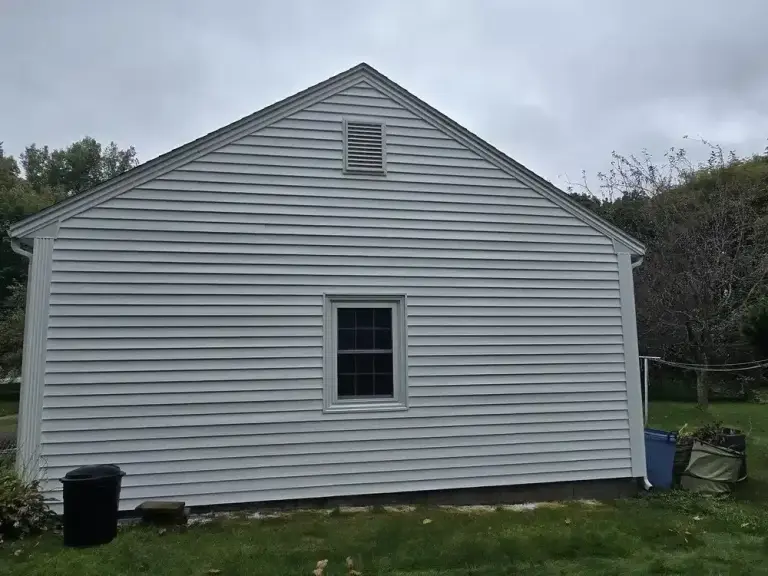
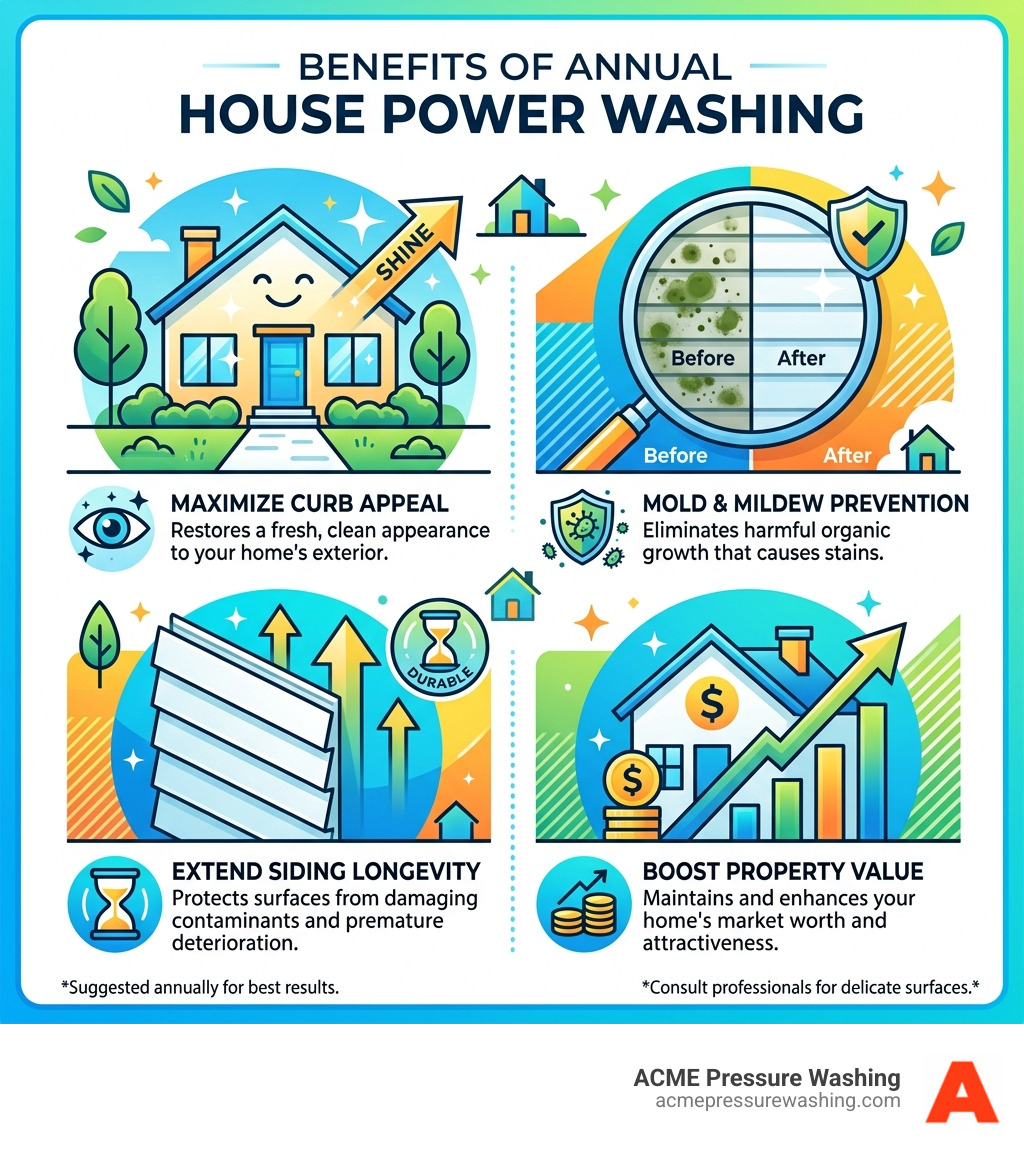
House power washing is one of the fastest, most effective ways to restore your home’s curb appeal, protect your siding, and prevent costly damage from mold, mildew, and grime buildup.
Here’s what you need to know at a glance:
- What it does: Removes dirt, mold, algae, mildew, and staining from your home’s exterior surfaces
- How often: Most homes benefit from washing once a year, ideally between March and November
- Best time: Spring or early fall — avoid extreme heat, freezing temps, or heavy rain
- Average cost: Ranges from around $200 to $2,100+ based on home size and method (based on average internet data)
- DIY or pro? Professional soft washing is safer for most siding types and delivers longer-lasting results
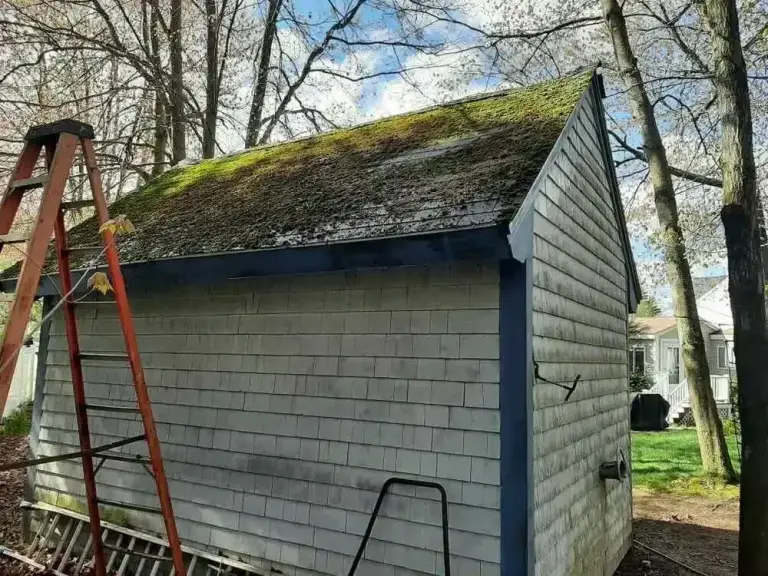
Your home’s exterior takes a beating every season. Pollen in spring, humidity and algae in summer, falling debris in fall, and freeze-thaw cycles in winter — all of it adds up. Over time, that buildup doesn’t just look bad. It can eat away at paint, shorten the life of your siding, and even affect the air quality inside your home.
The good news? A proper power wash can reverse a lot of that damage in just a few hours.
In this guide, ACME Pressure Washing walks you through everything — from choosing the right method and PSI settings for your siding type, to timing, costs, and when to call in a professional. Whether your home has vinyl siding, brick, stucco, or wood, there’s a right way to clean it without causing damage.
We serve homeowners across Amherst, NH | Auburn, NH | Bedford, NH | Brookline, NH | Derry, NH | Goffstown, NH | Hollis, NH | Londonderry, NH | Manchester, NH | Merrimack, NH | Milford, NH | Mont Vernon, NH | Nashua, NH | New Boston, NH | Wilton, NH | Windham, NH. Learn more about our house pressure washing services.
Understanding the Methods: Pressure, Soft, and House Power Washing
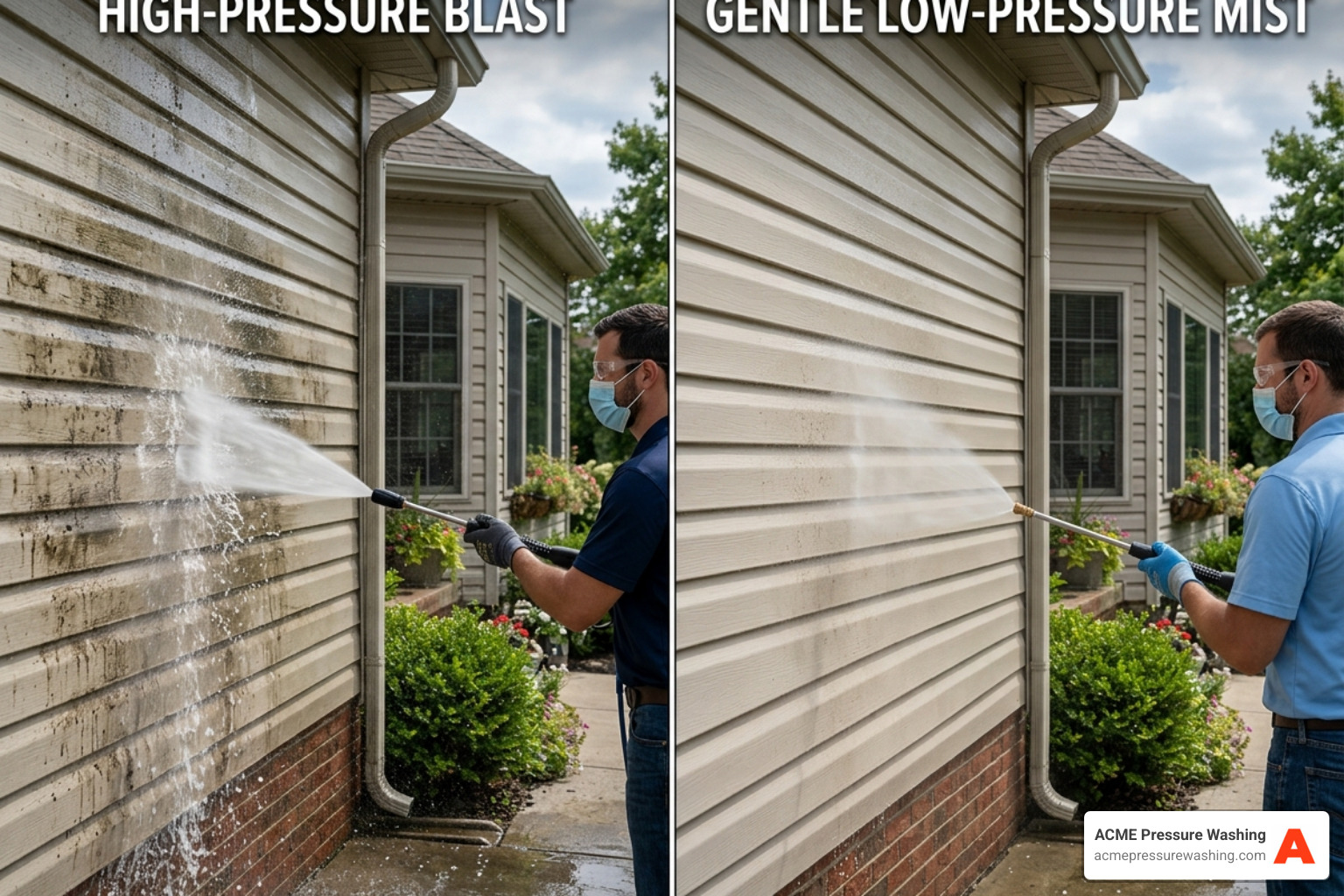
Before you grab a wand and start blasting, it is vital to understand that not all “washes” are created equal. Using the wrong method on the wrong surface is the fastest way to turn a weekend DIY project into a multi-thousand-dollar siding replacement.
Power Washing
While people often use the terms interchangeably, true power washing involves heated water. The machine uses a heating element to bring the water to high temperatures before it’s blasted through the nozzle. This is incredible for removing grease, oil stains on driveways, or chewing gum from sidewalks. However, for most residential siding, the heat can actually warp vinyl or damage paint.
Pressure Washing
This is the “standard” method most people think of. It uses high-pressure, cold water to mechanically blast away dirt. While effective on hard surfaces like concrete or stone, we often tell our clients in Bedford, NH and Merrimack, NH to be cautious. High pressure alone can force water behind siding, leading to trapped moisture and rot.
Soft Washing
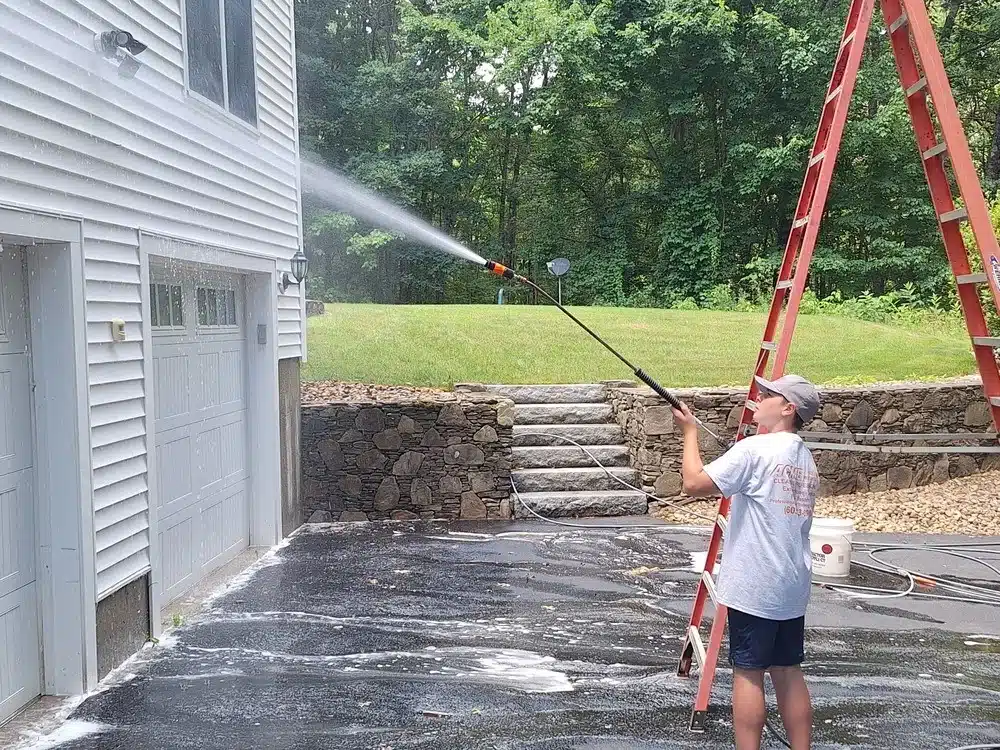
This is our preferred method for most house power washing projects. Soft washing uses very low PSI (often under 500 PSI—similar to a garden hose) combined with specialized, eco-friendly detergents and surfactants. The chemicals do the heavy lifting by killing mold and algae at the root (the spores), while the water simply rinses it away. It’s the safest way to clean vinyl, wood, and stucco.
To dive deeper into why low pressure is usually the winner, check out our article: Don’t Be a High-Pressure Mess and Switch to Low-Pressure House Cleaning. You can also see more on Soft & Pressure Washing Services.
Safety Gear and Precautions for House Power Washing
Safety isn’t just a “good idea”—it’s mandatory. A pressure washer can exert enough force to cut through skin or lead to serious falls. If you are going the DIY route, here is your essential checklist:
- Eye Protection: Safety goggles are a must. Water and debris will splash back.
- Hand Protection: Heavy-duty gloves provide a better grip and protect your skin.
- Footwear: Never, ever wear flip-flops. Wear sturdy, closed-toe shoes with good traction.
- Lead Paint Warning: If your home was built before 1978, it likely contains lead paint. Blasting it with high pressure can aerosolize lead dust, which is a major health hazard. In these cases, consult a professional.
- Electrical Safety: Keep the spray at least 6 feet away from electrical wires and never spray directly into outlets or light fixtures.
- Ladder Safety: We strongly advise against using a pressure washer while standing on a ladder. The “kickback” from the wand can easily knock you off balance. For two-story homes in Manchester, NH, use extension wands instead.
Preparing Your Home Exterior
Preparation is 50% of the job. You don’t want to kill your prize-winning roses or flood your living room.
- Protect the Greens: Saturate your plants, grass, and shrubs with fresh water before you start. This prevents them from absorbing the cleaning detergents. Cover delicate plants with tarps.
- Seal the House: Close all windows and doors tightly. Check for gaps in the siding or around window frames.
- Clear the Way: Move patio furniture, grills, and toys away from the house.
- Tape it Up: Use painter’s tape and plastic to cover electrical outlets, doorbells, and light fixtures.
For more on solving siding-specific issues during prep, see 4 Practical Ways to Solve Your Vinyl Siding Power Washing Problems for Good.
The Step-by-Step Guide to Washing Your Home
If you’ve decided to tackle house power washing yourself, following a logical order will prevent streaks and ensure a deep clean.
Step 1: Choose Your Nozzle
- Black Tip: Soap nozzle (lowest pressure, widest spray).
- White Tip (40-degree): Best for most siding; gentle and wide.
- Green Tip (25-degree): For tougher spots on brick or concrete.
- Red Tip (0-degree): Avoid this on your house! It’s like a laser beam and will damage siding instantly.
Step 2: Mix and Apply Detergent
We recommend using a pressure-washer-approved detergent with a mildewcide.
Pro Tip: The Bottom-Up Method. When applying soap, start from the bottom and work your way up. Why? If you start at the top, the soapy water runs down over the dry dirt below, creating “clean streaks” that are nearly impossible to wash away later. Applying soap to a dry surface from the bottom up ensures even coverage.
Step 3: Dwell Time
Let the solution sit for 10–15 minutes. This allows the surfactants to break down the grime and the mildewcide to kill the mold spores. Do not let it dry on the siding! If it’s a hot day in Nashua, NH, work in smaller sections.
Step 4: Scrubbing (If Needed)
For stubborn areas like green algae on the north side of the house, use a soft-bristle brush to loosen the buildup before rinsing.
Step 5: The Rinse
The Top-Down Method. Now, switch to your 40-degree nozzle. Start at the top of the house and work your way down. This ensures that all the dirty, soapy water is flushed off the house completely. Keep the nozzle at a 45-degree angle to the siding to avoid forcing water underneath the panels.
For more detailed “Dos and Don’ts,” check out our guide: 10 Dos and Don’ts for House Soft Washing Service. You can also find additional steps at LawnStarter.
PSI Settings for Different Surfaces
Different materials require different levels of “tough love.” Using 3000 PSI on stucco will leave you with a hole in your wall, while 500 PSI might not touch the dirt on your brick walkway.
| Material | Recommended PSI | Recommended Nozzle |
|---|---|---|
| Vinyl Siding | 2,000 – 2,800 PSI | 40-degree (White) |
| Brick & Masonry | 1,500 – 2,000 PSI | 25-degree (Green) |
| Stucco | 1,200 – 1,500 PSI | 40-degree (White) |
| Aluminum Siding | 1,200 – 1,500 PSI | 40-degree (White) |
| Painted Wood | 500 – 1,200 PSI | 40-degree (White) |
| Concrete/Stone | 2,500 – 3,000+ PSI | 25-degree (Green) |
Always test a small, inconspicuous area first!
Timing, Frequency, and Costs
Living in New Hampshire means we deal with specific climate challenges. From the humid summers in Derry, NH to the salt-heavy air near the coast, timing your wash is everything.
When and How Often to Perform House Power Washing
Most experts, including our team at ACME, recommend house power washing at least once a year.
- The Best Months: March through November.
- Spring (March-May): This is the most popular time. It removes the winter “salt crust,” pollen, and grime before you start spending time outdoors.
- Fall (September-November): A great time to clear away summer algae growth and fallen debris before the freeze sets in.
- Weather Conditions: Aim for a mild, overcast day. Direct, hot sunlight can dry your cleaning solutions too quickly, leaving unsightly streaks. Avoid washing in freezing temperatures, as water can get into cracks, freeze, and expand, causing damage.
For residents in Bedford, NH, annual washing is crucial to prevent the “New England Green” (algae) from taking over the shaded sides of your home.
DIY vs. Professional Costs
When deciding whether to rent a machine or hire a pro, you have to look at the numbers. Based on average internet data, here is what you can expect:
- DIY Costs:
- Rental: $40 – $100 per day.
- Purchase: $150 – $1,000 depending on gas vs. electric.
- Supplies: $50 – $100 (detergents, safety gear, brushes).
- Professional Services:
- Average Range: $200 to $2,100+.
- Factors: This varies widely based on the square footage of the home, the number of stories, the level of dirt, and the local market. For example, a 2,500-square-foot one-story home might be on the lower end, while a large multi-story estate in Windham, NH will be higher.
- Hourly Rates: Professionals typically charge between $25 and $100 per hour.
While DIY seems cheaper upfront, professionals come with insurance, high-end equipment, and the knowledge of how to treat different surfaces without causing damage.
Frequently Asked Questions about House Washing
Can I wash my roof or windows with high pressure?
No! We cannot stress this enough. High pressure on a roof will blast the protective granules off your asphalt shingles, effectively cutting years off the life of your roof. For roofs, always use a dedicated soft wash.
Similarly, high pressure can shatter window glass or, more commonly, break the seals on double-pane windows, leading to permanent fogging. For windows, a garden hose or a professional window cleaning service is best. See more on Pressure Washing Roofs.
How long does it take to wash a house?
- One-Story Home: Usually 1 to 2 hours.
- Two-Story Home: 3 to 6 hours.
- Factors: Setup time, how much scrubbing is required, and your water pressure (GPM) all play a role. A professional with a high-flow machine can often wash a 2,500-square-foot house in about an hour.
What are common mistakes to avoid?
- The “Upward Angle”: Never spray upward into siding. This forces water behind the panels, which leads to mold inside your walls.
- Using a Ladder: As mentioned, the kickback is dangerous.
- Too Much Bleach: While bleach kills mold, too high a concentration can damage your siding and kill your lawn.
- Pump Burnout: Never run your pressure washer without the water turned on. The water actually cools the pump; without it, the machine will burn out in minutes.
- Ignoring the Wind: Always wash with the wind at your back to avoid a face full of detergent!
Conclusion
House power washing is more than just a cosmetic fix; it’s a vital part of home maintenance that protects your investment. Whether you’re prepping for a fresh coat of paint or just want your home to be the envy of the neighborhood in Londonderry, NH, doing it right makes all the difference.
At ACME Pressure Washing, we bring over 38 years of experience to every job. We use safe, customized, and eco-friendly techniques to ensure your home is sparkling clean without the risk of high-pressure damage. Based in Merrimack, NH, we are proud to serve our local community with professional results you can see.
Ready to see the transformation? Check out our Gallery of House Pressure Washing or contact us today for a quote!
Service Area: Amherst, NH | Auburn, NH | Bedford, NH | Brookline, NH | Derry, NH | Goffstown, NH | Hollis, NH | Londonderry, NH | Manchester, NH | Merrimack, NH | Milford, NH | Mont Vernon, NH | Nashua, NH | New Boston, NH | Wilton, NH | Windham, NH
Visit us at ACME Pressure Washing to learn more about our house pressure washing Merrimack NH services and beyond.