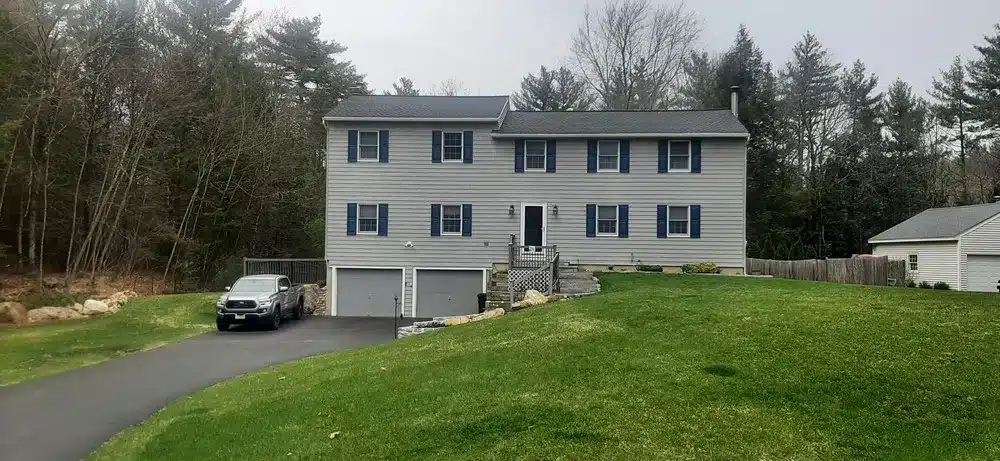



Why Pressure Washing Your House Exterior Is One of the Smartest Home Maintenance Moves You Can Make
Pressure washing a house exterior is the fastest, most effective way to strip away years of dirt, mold, algae, and road film — restoring your home’s appearance and protecting its value before New Hampshire’s harsh weather cycles do more damage.
Quick answer: Here’s what you need to know about pressure washing your house exterior:
| Topic | Key Facts |
|---|---|
| Best time to wash | Spring or early fall |
| Recommended frequency | Every 12–18 months (more in shaded or coastal areas) |
| Safe PSI for vinyl siding | 1,200–2,800 PSI depending on method |
| Safe PSI for brick | 1,500–2,000 PSI |
| Safe PSI for stucco | 1,200–1,500 PSI |
| Average cost (industry data) | $200–$2,100+ depending on size and method |
| DIY vs. professional | Professionals recommended to avoid water intrusion and surface damage |
If you live in Nashua, Merrimack, Londonderry, or anywhere in southern New Hampshire, you already know what the local climate does to a home’s exterior. Wet winters, heavy pollen seasons, humid summers, and shaded north-facing walls create the perfect conditions for algae, mold, mildew, and road film to take hold fast.
Left unchecked, that organic growth doesn’t just look bad. It actively degrades your siding, eats into paint, and can even work its way into your home’s structure.
The good news? A proper exterior wash can reverse months — even years — of buildup in a single afternoon.
But here’s the catch most homeowners miss: it’s not just point and shoot. The wrong pressure level, the wrong angle, or the wrong technique can etch wood, crack stucco, blow out window seals, or force water into your walls. That’s an expensive mistake.
This guide walks you through five proven methods to get a professional-level clean — and explains when it makes more sense to call in the experts at ACME Pressure Washing at +1603-883-6900 instead.

Basic Pressure Washing House Exterior glossary:
Understanding Pressure Washing House Exterior Techniques
When we talk about cleaning a home’s facade, we aren’t just using one tool for every job. In the exterior cleaning industry, there are three primary methods used to achieve a spotless finish. Understanding The Ins and Outs of House Power Washing is the first step toward a safe and successful project.
- Pressure Washing: This uses high-pressure cold water to blast away mechanical bonds of dirt. It’s great for hard surfaces like concrete but can be risky on siding.
- Power Washing: Similar to pressure washing, but it adds a heating element. The hot water is excellent for breaking down grease or salt buildup, but the heat can warp certain types of vinyl if not handled by an expert.
- Soft Washing: This is the “gold standard” for most residential exteriors. It involves using low-pressure nozzles combined with specialized, eco-friendly detergents that kill organic growth at the root.
As experts with over 38 years of experience in the Merrimack and Nashua areas, we often recommend soft washing for delicate siding. It’s a method that prioritizes the integrity of your home over brute force. For more technical details on the basics, you can explore this guide on How to Pressure Wash a House.
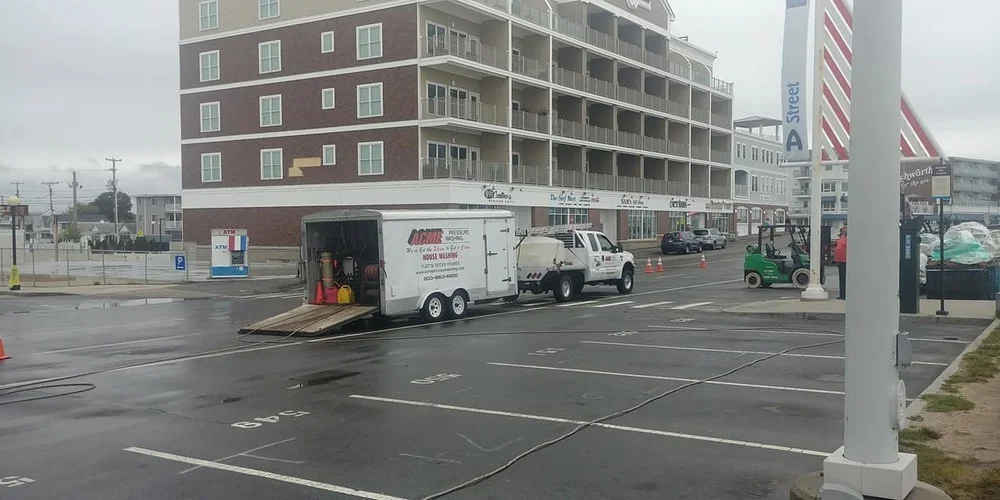
Safe PSI Levels for Pressure Washing House Exterior Materials
One of the most common ways DIY attempts go wrong is by using too much pressure. PSI (pounds per square inch) is the measure of force, and every material has a breaking point. Using 3,000 PSI on a wood-sided home in Amherst will likely result in “furring” or splintering the wood, which then requires extensive sanding.
| Material Type | Recommended PSI | Recommended Tip/Nozzle |
|---|---|---|
| Vinyl Siding | 1,300 – 2,800 PSI | 40-degree (White) |
| Brick & Mortar | 1,500 – 2,000 PSI | 25-degree (Green) |
| Stucco | 1,200 – 1,500 PSI | 40-degree (White) |
| Painted Wood | 1,200 – 1,500 PSI | 40-degree (White) |
| Concrete/Stone | 2,500 – 3,000+ PSI | 15-degree (Yellow) |
If you are dealing with specific siding issues, check out our guide on 4 Practical Ways to Solve Your Vinyl Siding Power Washing Problems for Good.
Understanding Pressure and Flow Requirements
Choosing the right equipment setup is about more than just PSI; it’s about GPM (Gallons Per Minute). GPM determines how fast you can rinse away the grime.
- Standard-Duty Systems: Typically produce 1,300 to 2,000 PSI. They are often easier to manage but may lack the GPM needed for large two-story homes in Merrimack.
- Heavy-Duty Systems: These offer the power and mobility needed for large estates, often ranging from 2,500 to 4,000 PSI, but require a careful hand to avoid surface damage.
When selecting equipment for the task, always consider the reach. Extension wands are vital for cleaning those high peaks without the danger of a ladder. For more on technical specifications, see How to Pressure Wash a House | Lowe’s.
Essential Preparation for New Hampshire Properties
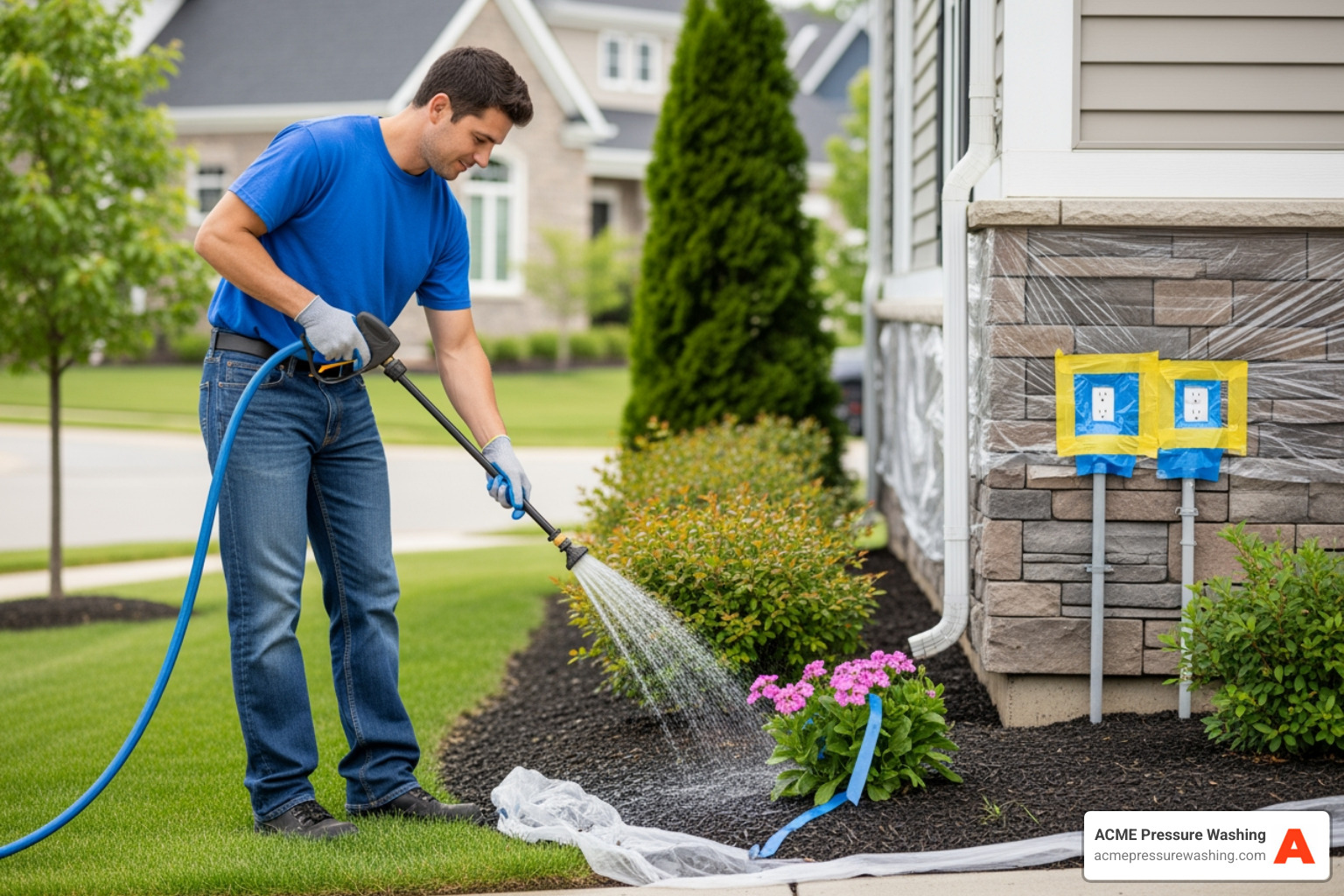
Before we ever pull the trigger, preparation is key. In the industry, we often say that 30% of the job is prep. For a home in Bedford, this means protecting the lush landscaping that makes our neighborhoods so beautiful.
Safety Gear and PPE: Always wear safety goggles and gloves. High-pressure water can cause serious injury if it hits the skin or eyes. Also, ensure you have closed-toe shoes with good grip.
Hydrate the Plants: Before applying any cleaning solutions, we thoroughly soak the surrounding grass, shrubs, and flowers with plain water. This prevents the plants from absorbing the detergent.
Seal the Gaps: Use painters’ tape and plastic to seal electrical outlets, doorbells, and light fixtures. Check that all windows are locked and storm doors are latched. For a detailed list of prep tasks, read our 10 Dos and Don’ts for House Soft Washing Service.
Protecting Your Investment in Londonderry and Goffstown
In towns like Londonderry and Goffstown, many homes feature older architecture with delicate window seals. High pressure can easily breach these seals, leading to fogged double-pane glass or water-damaged drywall inside.
If your home was built before 1978, you must also be cautious of lead paint. Pressure washing can chip this paint, contaminating your soil. In these cases, we strongly advise against DIY and suggest our Don’t Be a High-Pressure Mess and Switch to Low-Pressure House Cleaning approach.
The 5 Guaranteed Methods for a Professional Clean
Achieving a “like-new” look for a Pressure Washing House Exterior project requires a systematic approach. Here are the five methods we use to ensure a spotless finish every time.
1. The Pre-Scrub and Inspection
Walk the property and identify “hot spots”—areas with heavy algae (usually the north side) or road film (the side facing busy streets in Nashua). Pre-scrubbing these areas with a soft-bristle brush can loosen the mechanical bond before the water even hits it.
2. Detergent Application (Bottom-to-Top)
Always apply your cleaning solution from the bottom up. If you start at the top, the detergent will run down and create “clean streaks” that are difficult to even out later. Let the solution “dwell” for 5–10 minutes, but never let it dry on the siding.
3. The Low-Pressure “Soft Wash” Rinse
For siding, we use a wide-angle nozzle (40 degrees) and keep the wand at a 45-degree angle to the surface. This prevents water from being forced under the siding panels or into weep holes.
4. The Top-to-Bottom Final Rinse
Once the detergent has done its work, rinse with fresh water from the top down. This ensures all soap and loosened grime are flushed completely off the house and don’t settle on lower levels.
5. The Post-Wash Flush
After the house is clean, we perform a final flush of the surrounding landscaping and walkways to dilute any runoff and ensure your plants stay healthy. For more on this step-by-step logic, visit How to Pressure Wash a House: A Step-by-Step Guide.
Step-by-Step Process for Pressure Washing House Exterior Surfaces
When working on a home in Windham, we use horizontal, overlapping strokes. Aim for a 30% overlap with each pass to prevent “tiger striping.” Keep the nozzle about 12 to 18 inches away from the surface. If you’re cleaning a two-story home, use an extension wand rather than a ladder; the kickback from a pressure washer can easily knock a person off balance. For a 2026-ready checklist, see this 2025 Step-by-Step Guide.
Why Professional Services Outperform DIY in Merrimack
While renting a machine might seem like a way to save money, the risks often outweigh the rewards. Professional grade equipment, like what we use at ACME Pressure Washing, allows for high GPM at low PSI. This means we can clean faster and more safely than consumer-grade units.
Water Intrusion Risks: Amateurs often spray upward, which forces water behind the siding. This can lead to hidden mold growth in your insulation that you won’t notice for months.
Oxidation Removal: Have you ever touched your vinyl siding and noticed a chalky white powder on your hand? That’s oxidation. Simply blasting it with water won’t fix it; it requires specialized chemicals and techniques to restore the color without leaving streaks. See how we handle these challenges at House Power Washing Nashua NH.
Analyzing the Real Costs of Exterior Maintenance
When considering the cost of Pressure Washing House Exterior services, it is helpful to look at industry averages. Please note that these figures are based on internet data and do not reflect specific ACME Pressure Washing rates.
| Service Type | Industry Average Range |
|---|---|
| Single-Story Home | $400 – $1,200 |
| Two-Story Home | $600 – $1,800 |
| Large Estate / Multi-Level | $800 – $2,100+ |
Factors that influence these costs include:
- Square Footage: Larger homes require more time and materials.
- Height: Multi-story homes require specialized reach equipment.
- Level of Grime: Heavy mold or lichen buildup may require multiple treatments.
- Surface Type: Brick and stucco often take longer to clean than vinyl.
For a deeper dive into pricing variables, check out The Real Cost to Power Wash Your House in 2026.
Frequently Asked Questions about House Washing
How often should I wash my New Hampshire home?
In the New England climate, we recommend a professional wash every 12 to 18 months. Homes in Merrimack that are nestled in wooded areas or near water may need it annually due to higher humidity and shade. Regular cleaning prevents the permanent staining that occurs when organic growth is left to bake in the sun. You can see the results of regular maintenance in our House Pressure Washing Gallery.
What is the best time of year for exterior cleaning?
Spring is the most popular time as it removes the salt and grime left behind by New Hampshire winters. However, early fall is also an excellent choice to prep your home before the snow arrives. We avoid washing during freezing temperatures to prevent ice damage to your siding and walkways.
Can high pressure damage my siding or windows?
Absolutely. High pressure can etch glass, blow out window seals, and even strip the finish off of high-end wood siding. In Goffstown, where many homes have beautiful architectural details, we always advocate for a “low-pressure” or soft-wash approach to ensure the property is protected.
Conclusion
Maintaining the exterior of your home is about more than just aesthetics; it’s about protecting your biggest investment. At ACME Pressure Washing, we bring over 38 years of experience to every job, serving Merrimack, Nashua, Londonderry, Hollis, and the surrounding New Hampshire communities. Our safe, eco-friendly, and customized techniques ensure your home looks its best without the risk of damage.
Whether you need a residential House Pressure Washing service, commercial building cleaning, or fleet maintenance, we have the expertise to get the job done right.
Ready To Schedule Your Service? Don’t let another season of New Hampshire weather take a toll on your home. Request a Free Quote