
How to Master Fence Pressure Washing in 30 Days
Your Fence Is Costing You Curb Appeal (Here’s How to Fix It)
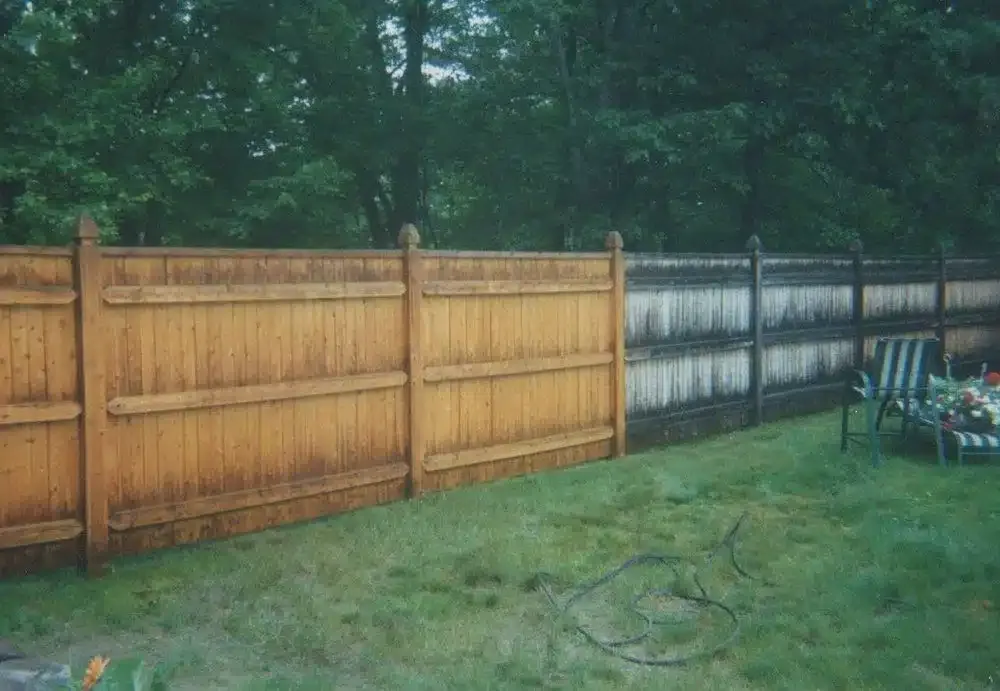
Fence pressure washing is the fastest way to strip years of dirt, mold, and grime from your fence and restore it to like-new condition.
Here’s a quick overview of what you need to know:
| Topic | Quick Answer |
|---|---|
| Average professional cost | $100-$350 (national average ~$225, based on internet data) |
| DIY cost | $40-$90/day equipment rental + detergents |
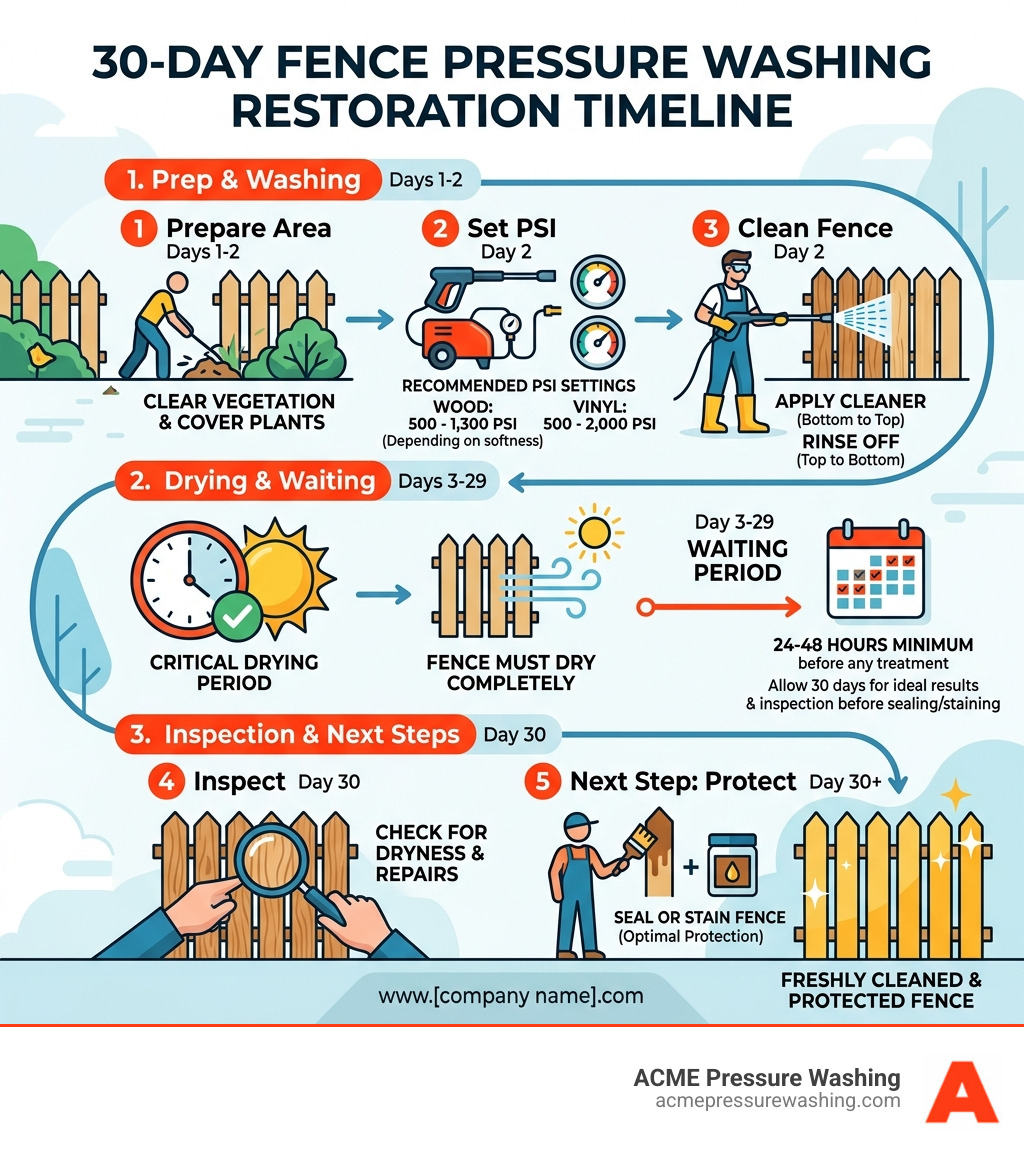
| Recommended PSI (wood) | 500-1,300 PSI depending on softwood vs. hardwood |
| Recommended PSI (vinyl) | 500-2,000 PSI |
| Best cleaning direction | Bottom to top when applying, top to bottom when rinsing |
| Wait time before staining | 24-48 hours minimum after washing |
| How often to wash | At least once a year |
Your fence takes a beating every season. Rain, shade, and New Hampshire winters create the perfect conditions for mold, mildew, algae, and grime to build up fast.
The result? A fence that looks years older than it is.
The good news: regular pressure washing can extend a wood fence’s lifespan by up to 10 years and can even boost your property value by 5-10%. That’s a big return for a few hours of work.
Whether you’re a DIYer or thinking about hiring a pro, this guide walks you through everything — costs, PSI settings, step-by-step technique, and the mistakes that can turn a simple cleaning job into an expensive repair.
Understanding the Costs of Fence Pressure Washing
When you’re looking at fence pressure washing, the first question is usually: “What is this going to cost me?” Whether you decide to tackle this as a weekend warrior project or hire a professional team, the investment is worth the massive jump in curb appeal.
DIY Costs: The Weekend Investment
If you’re going the DIY route, your costs are primarily tied to equipment and time. Based on internet data, renting a medium-duty gas pressure washer (up to 2,800 PSI) typically costs around $90 per day. If you have a smaller vinyl fence and only need an electric unit (1,400 PSI), you might find rentals as low as $40 per day.
However, the machine isn’t the only expense. You’ll need to budget for:
- Detergents and Solutions: $20 to $80 per gallon for eco-friendly or material-specific cleaners.
- Accessories: Scrub brushes, tarps to protect your prize-winning hydrangeas, and safety gear.
- Time: A 500-square-foot fence with modest grime typically takes two to three hours to wash, not including setup and cleanup.
Professional Service Pricing
For many homeowners in our service area, from Amherst to Windham, hiring a professional is the preferred choice to ensure the job is done safely. Based on internet data, the national average for professional fence pressure washing is approximately $225, but prices can range from $100 to as high as $1,050 for very large or complex properties.
Professionals often charge by the square foot (typically $0.10 to $0.50) or by the linear foot. For a standard 150-linear-foot perimeter fence, you might see quotes between $315 and $405. If you’re looking for professional fence cleaning in Bedford, NH, these rates often reflect the local labor market and the specific challenges of our New England climate.
| Service Type | Average Low | National Average | Average High (Internet Data) |
|---|---|---|---|
| Professional Washing | $100 | $225 | $1,050+ |
| DIY Rental (Daily) | $40 | $65 | $150 |
| Post-Wash Sealing | $200 | $400 | $1,200+ |
The material of your fence also impacts the labor. Softwoods require more delicate handling and lower pressure, which can actually increase the time spent on the job compared to durable vinyl or metal.
Essential Equipment and PSI Settings for Different Materials
Using the wrong pressure on a fence is like using a sledgehammer to hang a picture frame—it’s overkill and it’s going to break something. To master fence pressure washing, you must match your PSI (pounds per square inch) to the material you’re cleaning.
The PSI Cheat Sheet
Different materials have different “breaking points.” Here is how we break down the settings for the most common fence types:
- Softwood (Cedar, Pine): 500 to 800 PSI. Cedar is particularly soft, and going over 1,200 PSI can cause permanent splintering or “furring” of the wood.
- Hardwood (Oak, Teak): 1,200 to 1,500 PSI. These can handle a bit more “oomph” to get the grime out of the tight grain.
- Vinyl: 500 to 2,000 PSI. Vinyl is nonporous, so dirt usually sits on the surface. Start low and only increase if the stains are stubborn.
- Metal (Steel/Wrought Iron): 2,000 to 3,000 PSI. Metal is tough, but be careful not to strip off protective powder coatings or paint.
- Composite: Generally, manufacturers recommend against high-pressure washing as it can void warranties. Stick to very low pressure or a soft wash approach.
Choosing Your Nozzle
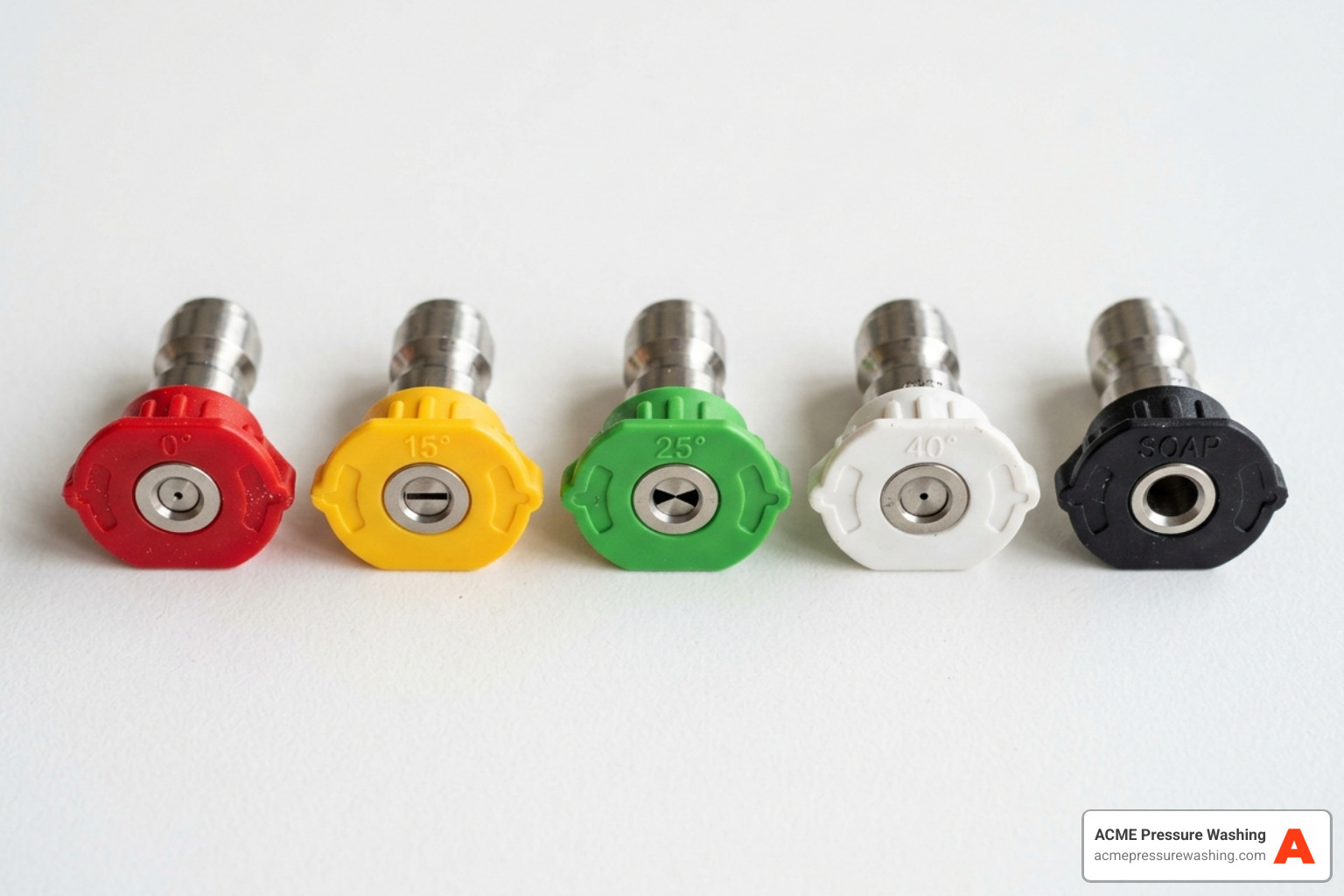
The nozzle tip determines the “fan” of the water. We recommend a 25-degree (green) or 40-degree (white) tip for most fences. Never use a 0-degree (red) tip on a fence. It acts like a laser beam and will cut right through wood or crack vinyl in seconds. For more on equipment, you can check out this guide on how to choose the right PSI for your material.
Safety First
Don’t forget your PPE (Personal Protective Equipment). At a minimum, you need:
- Safety goggles (water and debris fly back fast!)
- Sturdy work boots (never pressure wash in flip-flops!)
- Hearing protection for gas-powered units
- Gloves to protect against cleaning chemicals
Step-by-Step Guide to Safe Fence Pressure Washing
Ready to get started? Follow this systematic approach to ensure you don’t miss a spot or damage your property.
Step 1: Preparation and Protection
Before you even turn on the water, clear the area. Move patio furniture, toys, and decorations away from the fence. We always recommend covering nearby plants and delicate landscaping with plastic sheeting or tarps. If you’re using detergents, pre-wet your grass and plants so they don’t absorb the runoff.
Step 2: Detergent Application
Apply your cleaning solution from the bottom to the top. Why? If you start at the top, the detergent can run down and create “clean streaks” on the dry, dirty surface below that are nearly impossible to even out later. Let the solution dwell for 5 to 10 minutes, but don’t let it dry on the surface. For those in more humid areas, expert fence washing in Londonderry, NH often requires specialized mold-killing solutions to handle our local spores.
Step 3: The Washing Technique
When it’s time to wash, work in sections—usually one or two fence panels at a time. Keep the nozzle about 12 to 18 inches away from the surface. Always move the wand in the direction of the wood grain. This prevents the wood fibers from lifting and splintering.
Step 4: Rinsing
Rinse from the top to the bottom. This flushes all the loosened dirt and soap residue down the fence and away. Make sure you rinse thoroughly; any leftover detergent can leave white filmy spots once the fence dries. For a deep dive into the process, Angi provides detailed washing instructions that complement our professional methods.
Step 5: Drying Time
This is the hardest part: waiting. A fence needs to dry completely before you apply any stain or sealer. In the New Hampshire climate, this usually takes 24 to 48 hours, but it can take longer if the weather is damp or the fence is in a heavily shaded area.
Common Mistakes to Avoid During Fence Pressure Washing
Even with the best intentions, things can go wrong. We’ve seen it all in our 38 years of experience. Avoiding these common pitfalls will save you a lot of heartache.
1. The “More is Better” PSI Myth
Thinking that higher pressure equals a cleaner fence is the fastest way to ruin your wood. Excessive PSI can gouge the wood, leaving permanent “wand marks” that look like squiggly lines. Once the wood is gouged, the only fix is heavy sanding or replacing the boards.
2. Getting Too Close
Keep your distance! Moving the nozzle too close to the fence concentrates the force into a tiny area. Stay at least 12 inches away. If the dirt isn’t coming off, use a better detergent or a soft-bristle brush rather than moving the wand closer.
3. Using Harsh Bleach
While bleach is great for killing mold, “raw” laundry bleach can be very harsh on wood fibers, breaking down the lignin that holds the wood together. It can also turn your cedar fence an unnatural ghostly white. We prefer oxygen-based cleaners or specialized wood brighteners.
4. Ignoring the Wind and Neighbors
Always check the wind direction before you start. You don’t want your cleaning solution blowing back into your face—or onto your neighbor’s freshly washed car. Also, check what’s behind the fence. If there are gaps, you might be accidentally pressure washing your neighbor’s patio furniture!
5. Skipping the Sealant
Fence pressure washing opens up the pores of the wood. If you don’t seal or stain it after it dries, the wood is actually more vulnerable to rot and UV damage than it was before you cleaned it. Think of it like exfoliating your skin; you need to moisturize afterward! For residents seeking professional fence washing in Merrimack, NH, we always emphasize the importance of this final protective step.
Frequently Asked Questions about Fence Pressure Washing
How long should I wait to stain after fence pressure washing?
Patience is a virtue here. You should wait at least 24 to 48 hours for the wood to dry completely. If the wood is still damp, the stain won’t be able to soak in, and it will eventually peel or flake off. In our local climate, if it rains shortly after you wash, “reset” your clock. A good trick is to drip a little water on the wood; if it soaks in immediately, it’s dry. If it beads up, you need to wait longer.
Is power washing better than pressure washing for mold?
Technically, “power washing” uses heated water, while “pressure washing” uses cold water. Heated water is significantly more effective at killing mold and mildew spores on a cellular level. However, for most residential wood fences, standard pressure washing combined with a high-quality detergent is sufficient. If you have heavy, black mold buildup, the heat of power washing can provide a deeper clean. You can learn more about the technical differences on our power washing vs pressure washing page.
Can I damage my vinyl fence with too much pressure during fence pressure washing?
Absolutely. While vinyl is durable, it isn’t invincible. High pressure can crack older, sun-brittle vinyl or strip away the outer finish, leading to “oxidation” (that chalky white powder that rubs off on your clothes). Stay under the 2,000 PSI limit and use a wide fan tip. If you’re worried about your siding or fence, we offer specialized vinyl fence cleaning in Nashua, NH using safe, low-pressure “soft wash” techniques.
Conclusion
Mastering fence pressure washing doesn’t have to be a daunting task. By understanding your equipment, respecting the material of your fence, and following a systematic cleaning process, you can transform your property’s appearance in a single weekend. A clean fence isn’t just about looks—it’s about protecting one of your home’s most important investments.
At ACME Pressure Washing, we’ve spent over 38 years perfecting the art of exterior cleaning. Based right here in Merrimack, NH, we pride ourselves on using safe, customized, and eco-friendly techniques that get professional results without risking damage to your home or the environment. We serve neighbors all across the region, including Amherst, Bedford, Hollis, and beyond.
Don’t let a dirty fence drag down your home’s value. Whether you need a quick refresh or a deep restoration, our team is ready to help. Schedule your professional fence pressure washing today and see the difference that nearly four decades of experience can make!