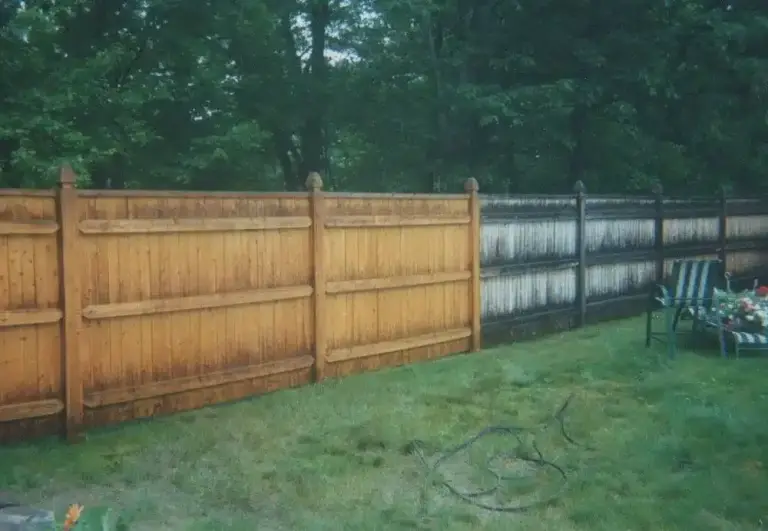
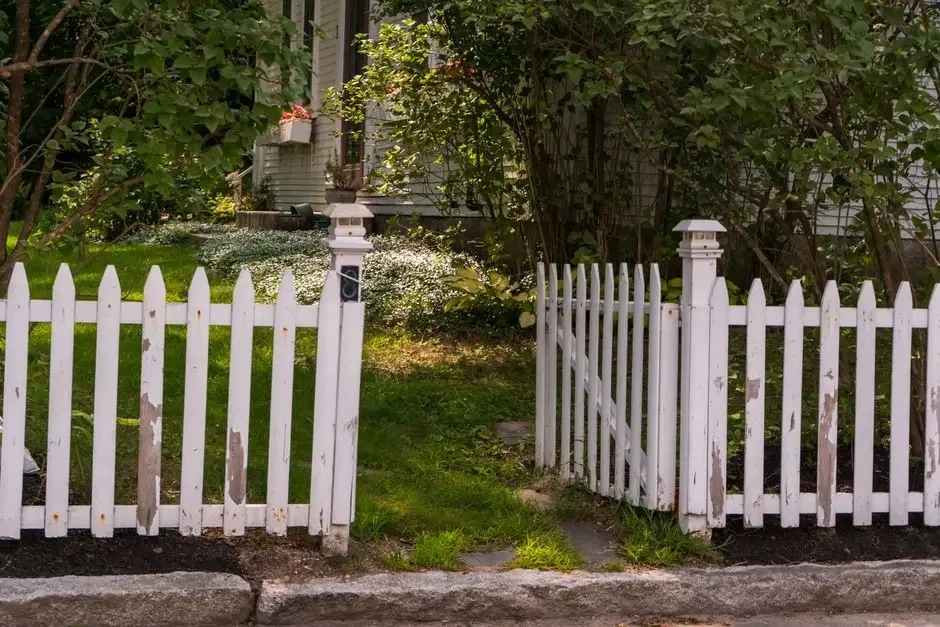
Stop the Grime: How to Clean Your Front Yard Fence in Minutes
Why a Clean Front Yard Fence Makes a Bigger Difference Than You Think
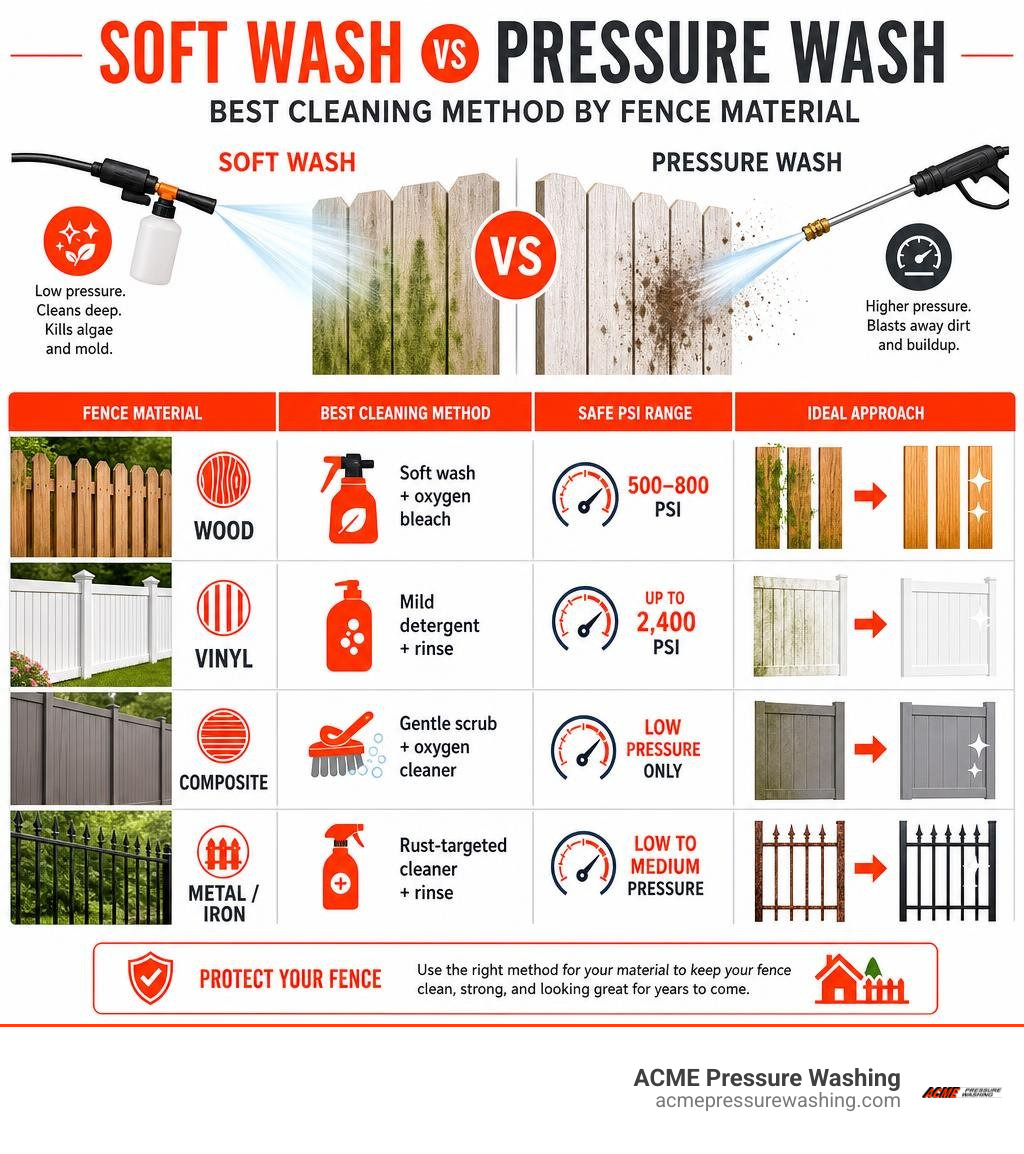
A front yard fence clean done right can transform a weathered, stained barrier into a sharp, welcoming boundary that lifts your entire property’s curb appeal. Here’s a quick look at the best cleaning approach by fence material:
| Fence Material | Best Cleaning Method | Safe PSI Range |
|---|---|---|
| Wood | Soft wash + oxygen bleach | 500–800 PSI |
| Vinyl | Mild detergent + rinse | Up to 2,400 PSI |
| Composite | Gentle scrub + oxygen cleaner | Low pressure only |
| Metal/Iron | Rust-targeted cleaner + rinse | Low-to-medium pressure |
New Hampshire weather is relentless. Humidity, freeze-thaw cycles, pollen season, and shade from mature trees create the perfect conditions for algae, mold, mildew, and lichen to take hold on fence surfaces — often faster than homeowners expect. Left untreated, that organic buildup doesn’t just look bad. It traps moisture against the wood or vinyl, accelerating rot, surface degradation, and costly repairs.
The good news? Most fences don’t need replacing. They need proper cleaning.
The key distinction most homeowners miss: raw water pressure alone doesn’t kill organic growth. Chemical treatment and dwell time do the heavy lifting — pressure just rinses it away.
I’m Lionel Greenwood, owner of ACME Pressure Washing, and over 38 years of restoring fences across New Hampshire — including countless front yard fence clean projects in Merrimack, Nashua, Bedford, and Amherst — I’ve seen what the right method does versus what the wrong one destroys. In the sections below, I’ll walk you through exactly how to match your cleaner to your fence material, when soft washing beats pressure washing, and how to protect your investment long after the cleaning is done.
Front yard fence clean terms explained:
Keep Your Front Yard Fence Clean: Wood, Vinyl, Composite, and Metal Solutions
Every fencing material presents unique chemical and structural characteristics. Understanding how your fence reacts to moisture, sunlight, and cleaning solutions is the foundation of an effective front yard fence clean. When we evaluate a property boundary, we assess material porosity, structural integrity, and the specific contaminants attacking the surface.
To dive deeper into practical execution techniques, check out this comprehensive Fence Cleaning Guide: Step-by-Step Tips for a Like-New Finish.
| Cleaning Solution | Best For | Pros | Cons | Safe for Nearby Plants? |
|---|---|---|---|---|
| Oxygen Bleach (Sodium Percarbonate) | Wood, Composite | Environmentally safe, lifts organic growth without stripping wood oils | Requires 10–15 min dwell time | Yes (non-toxic to foliage) |
| Vinyl-Safe Soft Wash Detergent | Vinyl, PVC | Breaks down sticky pollen and heavy grime rapidly | Needs thorough water rinse | Yes, when pre-rinsed |
| Diluted Vinegar Solution | Very Light Dust | Household availability, completely natural | Ineffective against heavy biological spores, acidic to finishes | Moderate |
| Sodium Hypochlorite (Chlorine Bleach) | Severe Mildew | Kills deep biological growth instantly | High risk of foliage burn and wood fiber bleaching | No (requires heavy landscape soaking) |
When selecting a cleaning approach, matching the chemistry to the substrate is non-negotiable:
- Natural Wood (Cedar, Pine, Redwood): Softwoods are vulnerable to physical erosion. Chlorine bleach can strip natural cedar oils and leave wood looking washed out or gray. We recommend oxygen-based exterior cleaners that release active oxygen bubbles, lifting dirt and algae spores out of the wood grain without harming the cellular structure. Learn more in this guide on Fence Cleaning: How to Clean a Wooden Fence the Right Way.
- Vinyl (PVC): Vinyl fencing does not absorb water, but its static charge attracts pollen, dirt, and airborne contaminants. While vinyl withstands higher water pressure than wood (up to 2,400 PSI), high pressure can shatter aged, brittle panels. Soft washing with a dedicated surfactant detergent breaks the surface bond of sticky grime safely.
- Composite Materials: Composite decking and fencing combine wood fibers with synthetic resins. Abrasive brushes or high pressure can permanently mark the composite surface or expose underlying wood fibers to moisture absorption. Mild oxygen cleaners paired with soft-bristled agitation are ideal.
- Metal, Steel, and Wrought Iron: Metal fences suffer primarily from oxidation and rust blooms caused by continuous sprinkler contact or road salt drift in Southern New Hampshire winters. Cleaning requires rust-converting agents or mild detergents applied with low-pressure flushing to protect protective powder coatings. Local material suppliers emphasize maintaining surface coatings to block moisture penetration.
Why Keeping a Front Yard Fence Clean Boosts Curb Appeal in Amherst and Bedford
Your front yard fence is one of the first features neighbors, visitors, and prospective buyers notice. In historic communities like Amherst and upscale neighborhoods throughout Bedford, property aesthetics directly impact neighborhood character and real estate values. A dingy, green-streaked front fence projects neglect, whereas a bright, freshly restored perimeter framing your lawn elevates the entire architectural landscape.
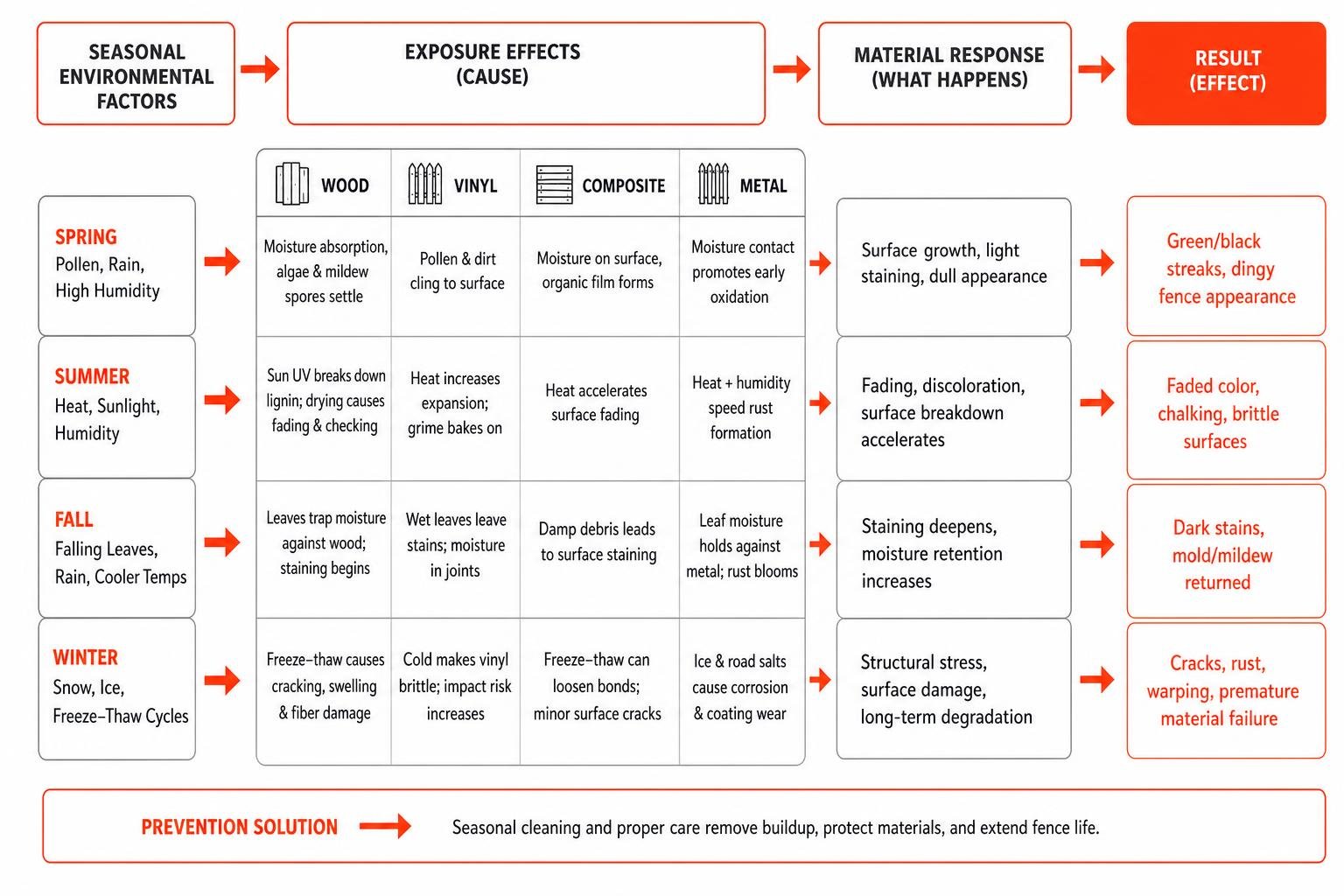
Our New Hampshire climate brings distinct environmental stresses each season. Springtime pollen coats vertical surfaces in yellow dust, summer humidity fosters dense green algae growth in shaded spots, and autumn leaves accumulate along horizontal rails, trapping dampness. Winter brings freezing temperatures, snow pileups, and freeze-thaw cycles that push trapped moisture deep into minute surface fractures.
If you are looking for localized expertise, explore our specialized services for fence pressure washing amherst nh and fence pressure washing bedford nh. For property owners planning new installations or structural overhauls, consulting professional fence installers ensures your boundary investment starts on solid footing.
Comparing Exterior Cleaners for Mold, Mildew, and Organic Stains
Removing biological contaminants requires understanding the biological organisms inhabiting your fence. Green spots are typically algae, which thrive in direct sunlight paired with moisture. Black or dark brown spots are usually mold or mildew, which prefer dark, damp, shaded zones. Lichen appears as crusty, grey-green spots that anchor deeply into porous wood fibers.
Using raw water pressure alone might blast away visible surface growth, but it leaves microscopic roots intact inside the surface pores. Within weeks of warm rainfall, the spores reactivate, and the dark streaking returns.
- Oxygen Bleach (Sodium Percarbonate): Dissolved in warm water, sodium percarbonate breaks down into hydrogen peroxide and sodium carbonate. It works through oxidation, breaking organic cellular walls while remaining completely non-toxic to surrounding grass, gardens, and shrubbery. It is our preferred active agent for wooden privacy fences and decorative picket borders.
- Vinyl-Safe Surfactant Cleaners: These proprietary chemical mixes lower water’s surface tension, allowing liquid solutions to penetrate tight corners, shadow lines, and panel interlocking seams where mold spores shelter.
- Chlorine Bleach (Sodium Hypochlorite): While chlorine bleach kills spores rapidly, it carries significant environmental drawbacks. Bleach runoff can alter soil pH, kill flowerbeds, and burn lawn turf. Furthermore, high concentrations of chlorine bleach can chemically break down wood lignin, causing fibers to turn fuzzy and break apart prematurely.
While property owners can review basic manual scrubbing techniques in this guide on How To Clean A Dirty Wood Fence Without A Pressure Washer (It’s So Simple) – AOL, professional soft washing is strongly recommended to guarantee deep spore eradication without damaging delicate surfaces.
Safe Soft Washing vs. High-Pressure Washing Techniques
The debate between high-pressure blasting and soft washing comes down to surface safety versus destructive force. Standard consumer pressure washers sold at home centers can produce pressures between 2,000 and 4,000 PSI (pounds per square inch). While that power works well on solid poured concrete driveways, applying it directly to wooden or vinyl fences frequently causes irreversible damage.

A standard garden hose delivers water at roughly 40 to 60 PSI, which is safe for light rinsing but lacks cleaning power for embedded grime. Professional soft washing bridges this gap: it utilizes specialized low-pressure pumps operating between 100 and 500 PSI to deliver custom-formulated cleaning solutions. The active detergents do the heavy lifting of killing spores and breaking surface bonds, followed by a wide-fan, low-pressure rinse that clears away residue without gouging or stripping the surface.
For most front yard fence clean projects in New Hampshire, professional fence pressure washing is safer than relying on pressure alone. Wood pickets can splinter, fur, or develop wand marks when exposed to aggressive pressure. Vinyl panels can tolerate higher limits in some cases, but even vinyl should be inspected for age, brittleness, loose caps, and weakened seams before any rinse is applied.
Professional Front Yard Fence Clean vs. DIY Soft Washing in Nashua
DIY cleaning should stay limited to light rinsing and basic surface care. When mold, algae, lichen, pollen buildup, or deep shadow-line staining is present, a professional soft wash is the safer approach. ACME Pressure Washing uses controlled application methods, professional detergents, and low-pressure rinsing to clean fence surfaces without forcing water into vulnerable joints or damaging wood fibers.
On vinyl fencing, pressure limits can reach up to 2,400 PSI only when the material is sound, properly supported, and rinsed with the correct fan pattern. On wood fencing, the safe range is much lower, typically around 500 to 800 PSI, and chemical dwell time matters more than force. For local service, see our page for fence pressure washing nashua nh. If you are comparing project variables, our guide to pressure washing fence prices what should you actually pay explains what can influence a fence cleaning estimate. For direct scheduling help outside the conclusion, call ACME Pressure Washing at +1603-883-6900.
Surface Preparation, Plant Protection, and Moisture Control
Before cleaning begins, the site should be prepared to protect landscaping, nearby structures, and the fence material itself. A professional fence cleaning process typically includes:
- Inspecting boards, rails, posts, gates, hinges, and caps for loose or weakened areas.
- Pre-wetting nearby grass, shrubs, garden beds, and planting areas before detergent application.
- Using landscape protection where appropriate while still allowing safe airflow and drainage.
- Adjusting sprinkler heads so overspray does not continue soaking the fence after cleaning.
- Removing leaf piles, grass clippings, and soil buildup from the base of fence pickets.
- Controlling detergent dwell time so organic stains are treated without overexposing the surface.
- Rinsing from appropriate angles to prevent water from being driven behind panels or into joints.
These preparation steps are especially important in shaded fence lines in Amherst, Bedford, Merrimack, and Nashua, where moisture tends to linger and organic growth returns quickly if the underlying conditions are not addressed.
Post-Cleaning Preservation: Drying Times, Staining, and Maintenance
Achieving a spotless front yard fence clean is only the first half of complete exterior maintenance. Once dirt, mold, and algae are removed, the open pores of wood fences are exposed and ready for protective coatings.
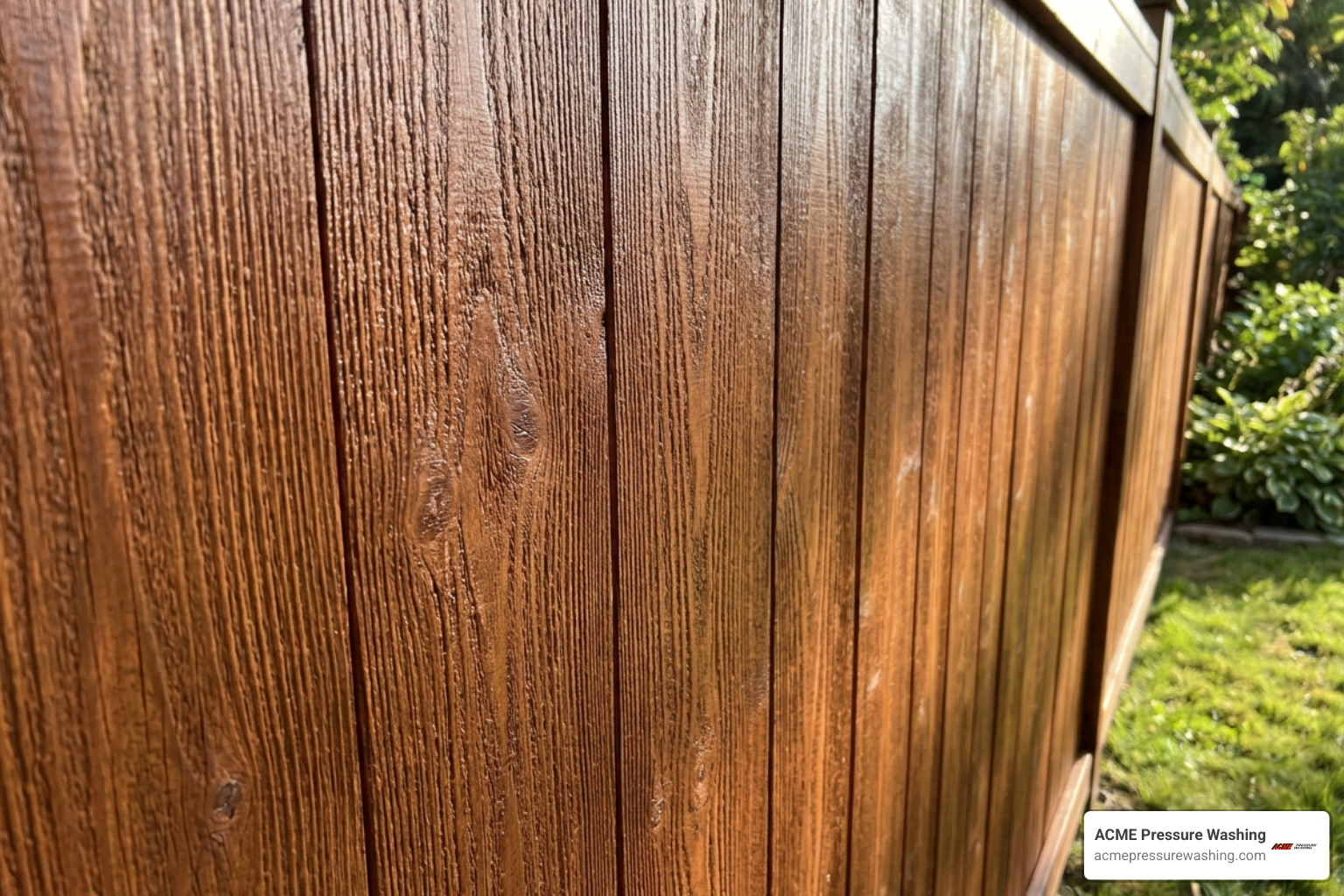
Applying stain, paint, or water sealant too quickly after washing is one of the most common mistakes property owners make. Trapping residual moisture inside the wood cells causes new stains to bubble, flake, or peel within months.
- The 24 to 48-Hour Rule: Under ideal summer conditions (warm sun, mild humidity, dry breeze), a wooden fence requires a minimum of 24 to 48 hours of uninterrupted drying time before applying stains or sealers.
- Cool or Humid Conditions: In damp weather or shaded zones shaded by dense tree cover in towns like Bedford or Amherst, wood drying times can extend from 3 to 7 days.
- Moisture Meter Verification: Professional contractors use digital pin moisture meters to test wood internal moisture content. The moisture level must drop below 12% to 15% before oil- or water-based stains can properly bond with wood fibers.
- The Water Droplet Test: If you do not have a moisture meter, sprinkle a few water droplets onto the clean wood surface. If the wood immediately absorbs the water droplets, it is dry and ready for staining. If the water beads up on top, the surface still holds moisture or an old sealant layer, requiring additional drying time.
Read our complete breakdown on drying timelines in our detailed article dont rush the brush exactly how long to let your fence dry before staining. For additional expert tips on pre-stain surface prep, review How to Clean a Fence Before Staining – Squeaky Clean Fencing and regional maintenance recommendations.
To extend the lifespan of your cleaned fence:
- Re-apply an oil-based stain every 3 to 5 years, or clear water sealers every 1 to 2 years.
- Trim back overhanging branches and bushes to eliminate shaded, damp microclimates.
- Keep grass clippings and leaf piles away from the base of fence pickets to stop ground rot.
Frequently Asked Questions About Front Yard Fence Cleaning
How often should I clean my front yard fence in New Hampshire?
For most properties across New Hampshire, we recommend scheduling a professional fence clean once a year—ideally in late spring after tree pollen season concludes, or in early autumn before winter freeze-thaw cycles arrive. Fences situated in heavily shaded areas, under dense pine canopies, or directly exposed to continuous lawn sprinkler overspray in towns like Nashua or Merrimack benefit from bi-annual soft washing every six months to prevent mold spores from rooting deeply.
Can high pressure damage wooden or vinyl fence panels?
Yes, high pressure can severely damage both wood and vinyl fencing. Water pressure exceeding 1,200 PSI on wood pickets splinters delicate cedar fibers, leaves permanent gouges, raises the wood grain, and forces moisture deep into internal board cells. On vinyl fencing, high pressure can crack or puncture aged, sun-brittle PVC panels and tear open corner seams. Using soft-wash chemical applications combined with wide fan tip rinsing under 500 to 800 PSI eliminates dirt safely without surface damage.
How long should a fence dry after cleaning before staining or sealing?
A cleaned wood fence should dry for at least 24 to 48 hours under sunny, dry weather conditions before applying paint, stain, or water-repellent sealant. In cooler, humid, or heavily shaded areas across New Hampshire, drying times may extend up to 3 to 5 days. Coating wood while moisture remains trapped inside wood pores prevents stain absorption, causing premature peeling, dark staining, and finish failure.
Protect Your Property Investment with Professional Fence Cleaning Services
Maintaining a clean front yard fence protects your home’s boundary investment, shields your materials from rot and weathering, and restores curb appeal instantly. Rather than spending your weekend dealing with high-pressure washer rentals, harsh chemicals, and potential surface gouging, trust the proven soft-wash experts at ACME Pressure Washing.
With over 38 years of experience serving Merrimack, Amherst, Bedford, and Nashua, our family-owned business uses custom eco-friendly solutions tailored to your specific exterior cleaning needs. For local fence care near our home base, explore our fence pressure washing merrimack nh service page.
In addition to fence restoration, explore our professional services for residential and commercial structures, including house washing, commercial pressure washing, and fleet washing. We deliver results that protect your property and enhance curb appeal for years to come.
Ready to transform your front yard perimeter fence?
- Get a Fast Online Estimate: Visit our easy online quote request page to schedule your professional fence consultation.