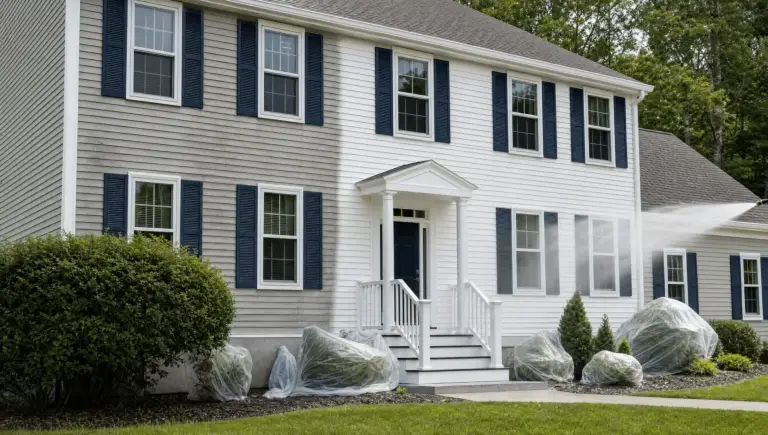
The Science Behind Why Vinyl Siding Turns Green in New Hampshire
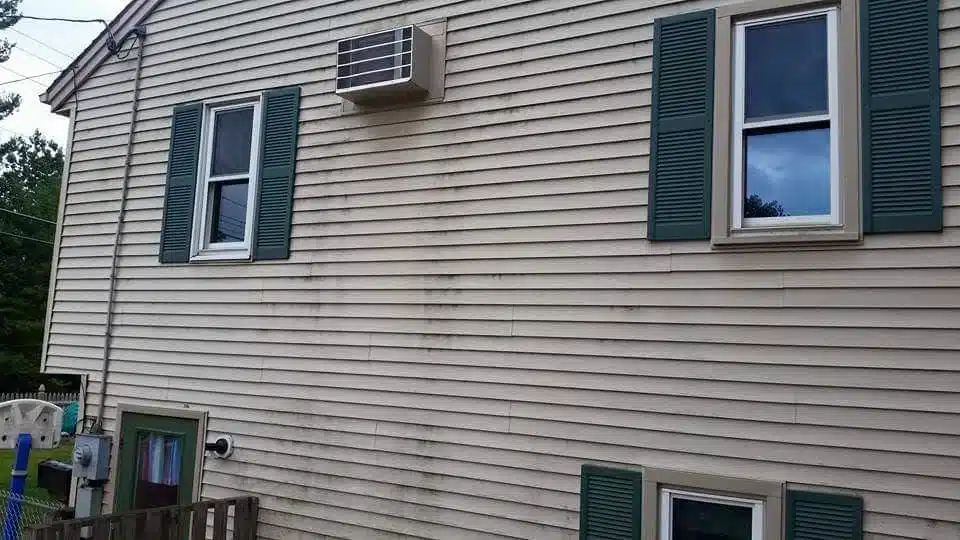
Why Homes in New Hampshire Turn Green — And What’s Really Behind It
Why homes in New Hampshire turn green comes down to one thing: moisture. The Granite State’s humid climate, wet springs, heavy tree canopy, and cool shaded surfaces create near-perfect conditions for algae, mold, mildew, and moss to take hold on exterior surfaces — especially vinyl siding, roofs, and decks.
Here’s a quick breakdown of the most common culprits:
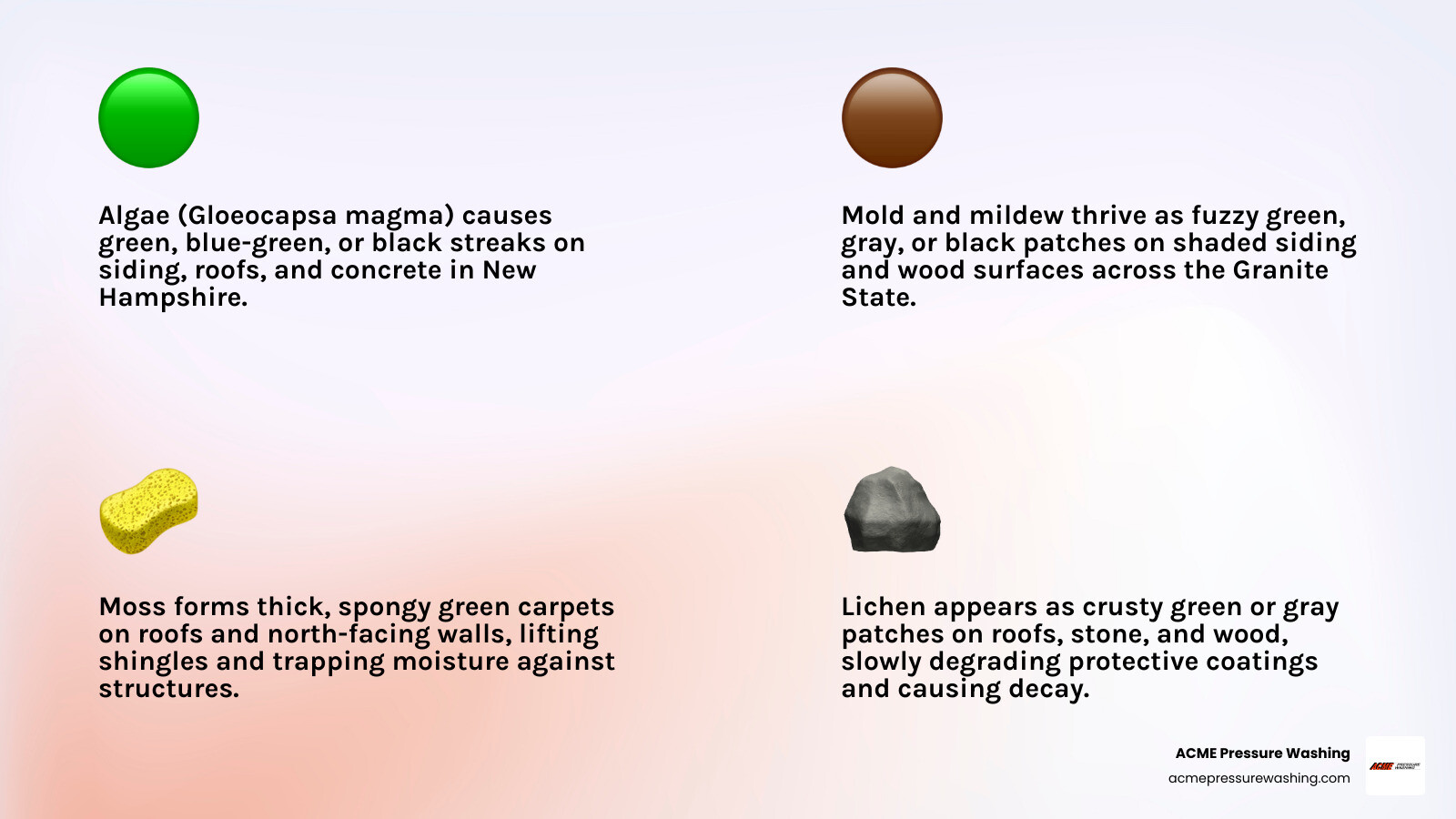
| Organism | What It Looks Like | Where It Grows |
|---|---|---|
| Algae (Gloeocapsa magma) | Green, blue-green, or black streaks | Siding, roofs, concrete |
| Mold & Mildew | Fuzzy green, gray, or black patches | Shaded siding, wood surfaces |
| Moss | Thick, spongy green carpet | Roofs, north-facing walls |
| Lichen | Crusty green or gray patches | Roofs, stone, wood |
All four thrive in the same conditions that define a New Hampshire property: shade from mature trees, slow-drying surfaces after rain, and warm-cool temperature swings from spring through fall.
This isn’t just a cosmetic issue. Left untreated, organic growth can lift shingles, rot wood decking, and cause long-term structural damage — costing far more to repair than to prevent.
I’m Lionel Greenwood, owner of ACME Pressure Washing, and over 38 years of serving homeowners across New Hampshire — from Merrimack and Bedford to Manchester and Nashua — I’ve seen why homes in New Hampshire turn green and exactly what it takes to stop it. Read on for a complete breakdown of the science, the risks, and the right solutions.
Basic Why Homes in New Hampshire Turn Green glossary:
Why Homes in New Hampshire Turn Green: The Environmental Culprits
To understand why your vinyl siding looks like it is slowly transforming into a forest floor, we have to look at the microscopic level. The green film spreading across your siding isn’t paint, and it isn’t just “dirt.” It is a living, breathing ecosystem.
The primary culprit behind the bright green coating on vinyl siding is green algae. While algae are typically associated with ponds, airborne spores land on your home’s exterior and colonize the surface. On asphalt shingle roofs, a specific type of blue-green algae known as Gloeocapsa magma is responsible for those unsightly black streaks. This hardy organism feeds on the calcium carbonate filler used in modern shingles, slowly consuming your roof while creating a dark, protective layer that absorbs heat.
Mold and mildew are also major contributors. Unlike algae, which produce their own food through photosynthesis, mold and mildew feed on organic matter—such as pollen, dust, and spider webs—that accumulates on your siding. When these spores find a damp, shaded environment, they quickly multiply into fuzzy gray, black, or dark green patches.
Finally, moss and lichen represent the advanced stages of organic growth. Moss is a non-vascular plant that thrives on damp, shaded surfaces, while lichen is a symbiotic partnership between algae and fungi. Both anchor themselves deeply into porous materials, trapping moisture against your home’s structure. Understanding how these organisms interact is the first step in reclaiming your home’s curb appeal. For a deeper look at how to address these biological invaders, check out The Ultimate Guide to Soft Washing Algae Removal.
Climate and Housing Factors Driving Exterior Discoloration
New Hampshire’s natural environment is breathtaking, but the very things that make the Granite State so beautiful also make it a paradise for organic growth. Our climate and our historic housing stock work hand-in-hand to keep exterior surfaces damp and shaded.
The Role of New Hampshire’s Humid Climate and Wet Springs
Our local weather patterns are perfectly calibrated to foster algae and mold. In communities like Bedford and Nashua, we experience highly humid summers, dense morning fog, and exceptionally wet springs.
When rain or heavy morning dew coats a home’s exterior, it creates a thin film of moisture. On the north-facing sides of a house, or on walls heavily shaded by New Hampshire’s beautiful mature tree canopy, this moisture cannot evaporate quickly. These slow drying cycles create a persistent microclimate. Without direct sunlight to dry the siding and kill off spores, the algae and mold have a continuous supply of water, allowing them to rapidly colonize vinyl, wood, and brick alike.
How Older Housing Stock and Real Estate Trends Accelerate Moisture Issues
New Hampshire’s housing landscape also plays a massive role in exterior maintenance challenges. Over 284,000 homes and apartment units statewide were built before 1978. These older properties often feature mature landscaping with trees planted too close to the foundation, casting permanent shade on the siding. Furthermore, older homes may have outdated ventilation systems, leading to interior moisture migrating outward through the walls and trapping dampness behind the siding.
This maintenance challenge is compounded by intense real estate market pressures. In June 2025, New Hampshire’s median single-family home price rose to $565,000, representing a staggering 79.4% increase from June 2019. With a housing inventory of just 1.7 months, buyers are paying premium prices—often facing monthly mortgage payments of around $4,308 on a median-priced home.
Because buying a home in cities like Manchester or towns like Merrimack has become so expensive, many homeowners are stretched thin. When nearly 40% of New Hampshire’s 547,000 households earn below the median income of $96,838, finding the budget for proactive home maintenance can be difficult. However, delaying exterior cleaning on these expensive investments only accelerates physical damage, making regular upkeep more critical than ever. To learn more about how modern building standards compare to our older housing stock, read about Sustainable Building & Green Homes in NH: Certifications, Materials & Benefits .
Structural and Health Hazards of Organic Growth on NH Properties
While green siding and black-streaked roofs are eyesores, the real danger lies beneath the surface. Allowing organic growth to go unchecked can lead to severe structural decay and serious health risks for your family.
Why Homes in New Hampshire Turn Green Near Coastal Areas: Roof Moss Risks
For homeowners living near the Seacoast or in damp, wooded pockets of southern New Hampshire, roof moss is a constant threat. The frequent coastal fog and high humidity prevent roof surfaces from drying out. When moss spores settle in the gaps between shingles, they begin to grow, acting like tiny sponges that trap water.
As the moss thickens, it physically lifts the edges of the shingles. This breaks the manufacturer’s water-tight seal, allowing wind-driven rain to blow underneath. Once water bypasses the shingles, it directly rots the underlying plywood roof decking, leading to costly structural leaks. During our freezing New Hampshire winters, this trapped water freezes and expands, cracking shingles and accelerating the destruction of your roof. To understand this process in depth, read about How Moss Damages Coastal Roofs in New Hampshire and explore our guide on How to Remove Moss from Roof in New Hampshire.
Health and Structural Hazards of Mold in New Hampshire Homes
Mold on your siding isn’t always content to stay outside. If your home has minor siding leaks or poor house wrap, exterior mold can work its way into your wall cavities. Once inside, mold destroys drywall, insulation, and structural framing.
Beyond the physical damage to your property, mold poses a direct threat to indoor air quality. Spores can easily enter your home through open windows, doors, and HVAC intakes. For children, the elderly, and anyone with asthma or allergies, airborne mold spores can trigger respiratory distress, headaches, and chronic allergic reactions. Addressing exterior mold quickly is essential to protecting both your home’s structural integrity and your family’s health. For safe remediation techniques, check out our guide on How to Kill Black Mold at the Root Without Ruining Your Siding.
Broader Environmental Hazards and Property Maintenance in the Granite State
Maintaining a home in New Hampshire requires a holistic understanding of our unique local environment. Beyond the green film on your siding, there are other natural and historic hazards that homeowners must navigate to preserve their property’s value and safety.
White Pine Needle Damage and Its Impact on Property Aesthetics
If you’ve noticed the majestic white pines on your property looking a bit sickly, you aren’t alone. In recent years, New Hampshire’s white pines have experienced widespread “orange needle” discoloration. This phenomenon is caused by a complex of native fungi that thrive during exceptionally wet, warm springs.
The fungi infect the pine needles as they emerge in the spring, but the visible orange and yellow damage doesn’t actually manifest until the following spring. While this seasonal needle drop can look alarming and leave your property littered with acidic needles, forest health specialists advise that the trees are usually not dying and will push out new green needles by late summer. However, the heavy drop of infected needles onto your roof and siding adds to the organic debris that traps moisture, directly fueling the growth of algae and moss. To learn more about this forestry issue, read Why are New Hampshire’s white pines turning orange? | Vermont Public .
Navigating Lead Paint, Radon, and Water Quality in NH Real Estate
When managing an older home in Bedford or Nashua, green siding is often just the most visible maintenance item on a list that includes several invisible environmental hazards:
- Lead Paint: With over 284,000 NH homes built before 1978, lead-based paint is a major consideration during renovations or exterior scraping.
- Radon Gas: New Hampshire’s famous granite bedrock naturally contains uranium, which decays into radon gas. An estimated 1 in 3 NH homes has elevated radon levels exceeding the EPA action level of 4 pCi/L.
- Water Quality: Roughly 1 in 5 private wells in New Hampshire contains dangerous levels of naturally occurring arsenic. New Hampshire enforces a strict arsenic limit of 5.0 ppb—the tightest in the nation.
Understanding these factors is essential for any local property owner. For a comprehensive overview of how to handle these issues, consult the guide on Environmental Hazards in NH Homes | Lead Paint, Radon & Mold | Dolloff Team and the New Hampshire First-Time Home Buyer Guide — Navigate Attorney Closings, Well Water, and Mill Rates | First Home Start Guide .
Professional Remediation and Prevention Strategies
Now that we know why homes in the Granite State turn green, let’s talk about how to solve the problem safely and effectively.
Why Homes in New Hampshire Turn Green: Soft Washing vs. High-Pressure Blasting
When homeowners spot green algae on their vinyl siding, their first instinct is often to use high-pressure water to blast it away. This is a critical mistake. High-pressure water can easily crack vinyl siding, strip away protective UV coatings, force water behind the siding panels (leading to hidden mold growth), and shred window screens.
At ACME Pressure Washing, we use a highly effective alternative called soft washing. Soft washing relies on specialized, eco-friendly cleaning solutions to kill algae, mold, and moss at the biological root, combined with a gentle, low-pressure water rinse that is no stronger than a garden hose. This method is incredibly safe for your siding, roof, and landscaping, and because it actually kills the spores rather than just blasting them around, the clean results last up to four times longer.
Whether you live in Manchester or Merrimack, soft washing is the gold standard for preserving your home’s exterior. To understand why low pressure is always the superior choice, read Don’t Blast Your Siding Away and Other Soft Washing Benefits and explore our approach to Go Green or Go Home with Eco Vinyl Siding Restoration.
The Cost of Professional Exterior Cleaning in New Hampshire
When budgeting for professional exterior cleaning, it is helpful to understand the general market rates. Based on publicly available internet data, the average cost of a basic professional house washing service in the United States is approximately $300.
However, because homes in New Hampshire vary widely in size, architectural complexity, and the severity of organic growth, actual industry rates vary significantly. To account for this high variability, a realistic price range based on regional online data spans from $600 on the low end (for smaller, moderately dirty homes) to $1,500 or more on the high end (for larger estate homes with severe moss or algae infestations requiring specialized soft wash treatments).
Please note: These figures represent general industry averages compiled from internet sources and do not reflect the specific pricing or service guarantees of ACME Pressure Washing.
Frequently Asked Questions about Green Siding in New Hampshire
What is the green stuff on my vinyl siding?
The green film is typically a combination of green algae, mold, and mildew. It thrives on the shaded, north-facing sides of your home where moisture from rain, morning dew, and fog takes the longest to dry.
Can I use high-pressure washing to clean my roof and siding?
We strongly advise against using high pressure on roofs or siding. High-pressure blasting can strip the protective granules off your roof shingles, break the water-tight seals on your siding, and drive moisture deep into your home’s framing, leading to rot. Professional soft washing is the only safe, recommended method.
How often should New Hampshire homes be professionally washed?
For most homes in southern New Hampshire, we recommend a professional soft wash every 12 to 24 months. Homes surrounded by heavy tree canopy or located in high-humidity areas near bodies of water may require annual cleanings to keep organic growth from taking hold.
Conclusion
Protecting your home from the damp New Hampshire climate doesn’t have to be a battle. At ACME Pressure Washing, we bring over 38 years of local experience using safe, customized, eco-friendly soft washing techniques designed specifically for the unique environment of the Granite State.
Whether your home is in Merrimack, Bedford, Manchester, or Nashua, we are here to restore your property’s beauty and protect its structural integrity.
Ready to banish the green monster from your siding? Contact us today to schedule your service:
- Call us at: +1603-883-6900
- Get a free quote online: ACME Pressure Washing Contact Form
- Explore our services: ACME Pressure Washing House Washing Services