Stop the Slime: Best Ways to Prevent Roof Moss
Why Roof Moss Is a Bigger Problem Than It Looks
The best moss prevention for roofs isn’t just about curb appeal — it’s about protecting one of your biggest investments before the damage starts.
Here’s a quick summary of the most effective methods:
| Method | Best For | How Often |
|---|---|---|
| Zinc strips | Long-term prevention | Install once (20+ year lifespan) |
| Copper strips | Maximum coverage (15–20 ft down slope) | Install once |
| Zinc sulfate granules | Active moss kill + prevention | Annually, before fall rains |
| Liquid chemical treatments | Flat or low-pitch roofs | Annually or as needed |
| Tree trimming | Reducing shade and moisture | As needed |
| Professional soft washing | Full removal + prevention reset | Every 1–3 years |
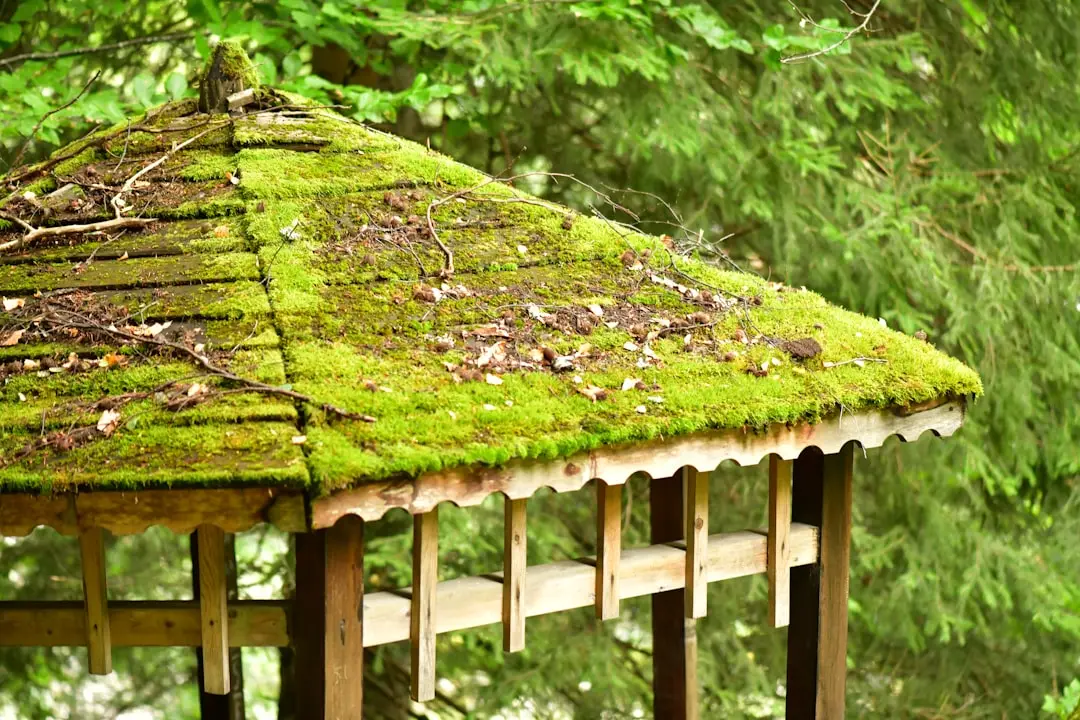
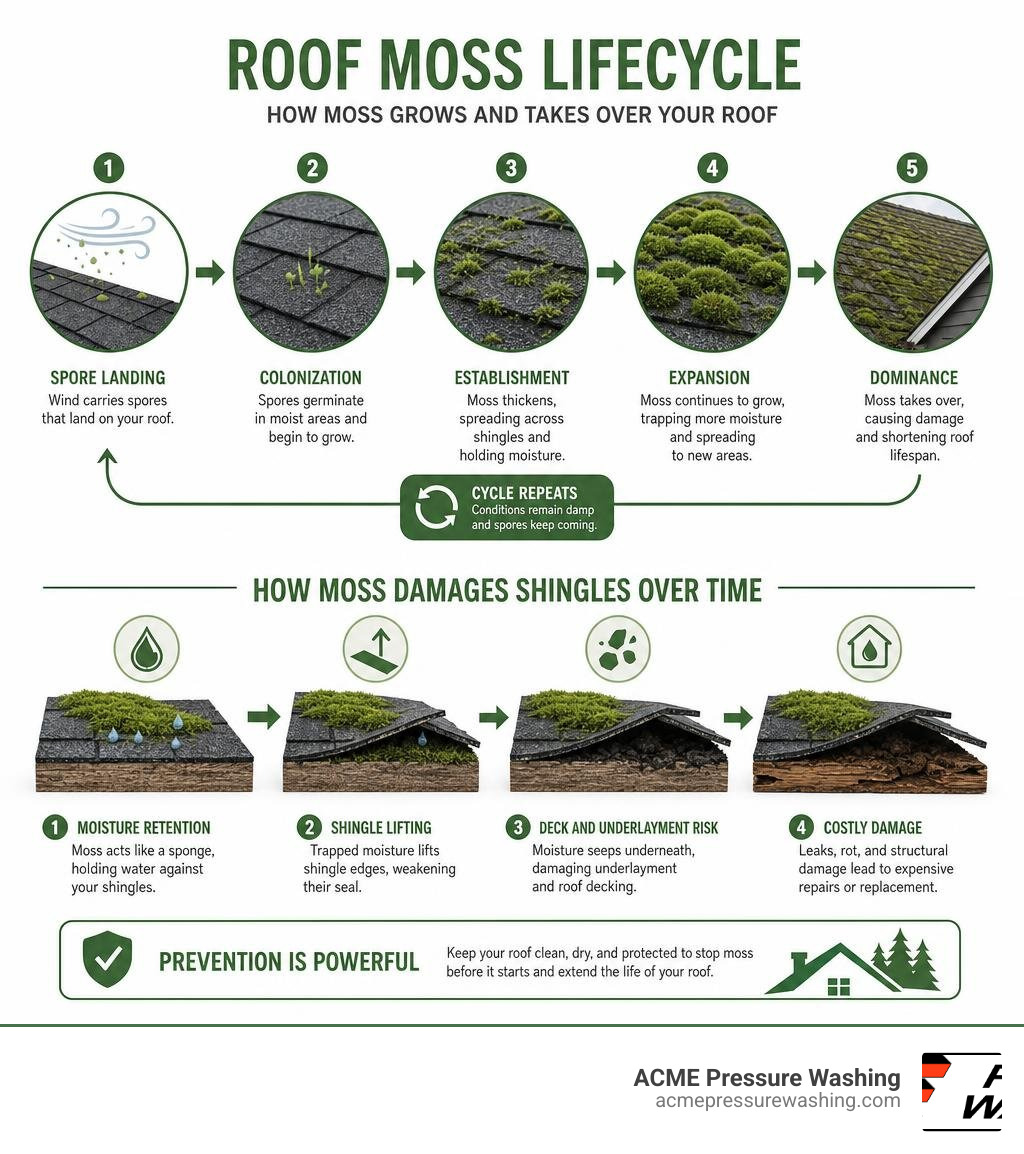
Moss might look harmless — even charming on an old cottage. But left untreated, it acts like a sponge, trapping moisture against your shingles around the clock. Over time, that constant dampness lifts shingle edges, invites fungal decay, and can work its way into the underlayment and roof decking. Research shows moss and algae growth can shorten shingle lifespan by up to 25% if ignored.
In New Hampshire, where damp springs, shaded lots, and north-facing rooflines are common, moss isn’t a rare problem — it’s almost inevitable without the right prevention in place.
I’m Lionel Greenwood, owner of ACME Pressure Washing, and after more than 38 years of hands-on roof cleaning across Merrimack, Nashua, Amherst, and beyond, I’ve seen what happens when moss goes untreated — and what the best moss prevention for roofs actually looks like in real-world conditions. In the sections below, I’ll walk you through the most effective methods so you can make a smart, informed choice for your property.
Basic best moss prevention for roofs glossary:
Why Moss Thrives on New Hampshire Roofs
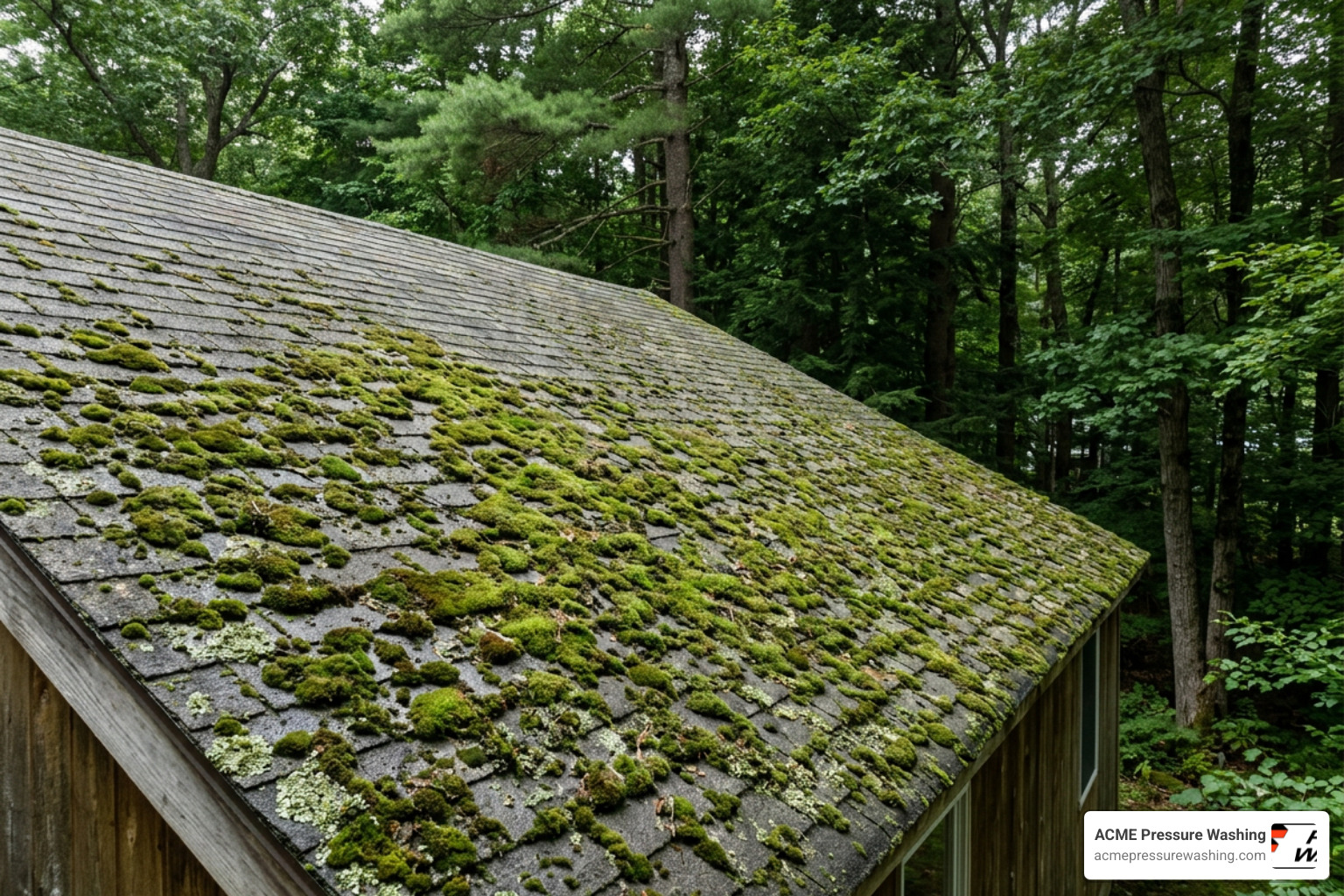
To stop roof moss in its tracks, we first have to understand why it loves our local roofs so much. Moss is a primitive, non-vascular plant. Unlike your lawn, it doesn’t have traditional roots to draw nutrients and water from the soil. Instead, it absorbs moisture directly through its leaves. This means it only needs two things to thrive: moisture and a surface to cling to.
Our beautiful New Hampshire climate provides the perfect breeding ground. Neighborhoods in towns like Amherst, NH, Nashua, NH, and Hollis, NH are famous for their mature, towering trees. While these trees offer incredible shade during hot summer days, they also block sunlight from drying out your roof. Shaded, north-facing roof planes remain damp long after the morning dew or a rainstorm, creating a microclimate where moss spores can easily establish themselves.
Furthermore, many homeowners confuse moss with the dark, ugly staining they see stretching across their shingles. Those black streaks are actually caused by a hardy species of blue-green algae called Gloeocapsa magma. This algae feeds on the limestone filler used in modern asphalt shingles.
While algae is primarily an aesthetic issue, moss is a structural threat. As moss grows, it wedges itself underneath the edges of your shingles. This physical prying lifts the shingles, making them highly vulnerable to wind blow-offs during severe weather. Even worse, the thick green mats trap dirt, leaves, and moisture. This trapped moisture rots the wooden underlayment and structural decking underneath, leading to expensive water leaks.
To dive deeper into how these organisms interact with your roof and how to handle them safely, you can read our guide on How to Clean Roof Moss the Right Way and explore our breakdown of Black Streaks on Roof: What Causes Them and How to Clean Them Safely. For a broader environmental perspective on managing growth without damaging local ecosystems, the Northwest Coalition for Alternatives to Pesticides offers excellent guidance on how to Prevent and Treat Moss on Roofs.
The Best Moss Prevention for Roofs: Top Methods Compared
When looking for the best moss prevention for roofs, you will generally choose between two primary paths: physical metal barriers or chemical treatments. Both have distinct advantages, environmental considerations, and cost trade-offs.
To help you visualize how these preventative options stack up, let’s take a look at their key characteristics:
| Prevention Method | Active Mechanism | Lifespan | Environmental Impact | Ideal Roof Types |
|---|---|---|---|---|
| Copper Strips | Copper ions block growth | 20+ years | Low (natural mineral runoff) | Asphalt shingle, wood shake, tile |
| Zinc Strips | Zinc particles block growth | 20 years | Low to moderate | Asphalt shingle, wood shake |
| Zinc Sulfate Granules | Chemical toxicity to moss | 1–2 years | Moderate (requires plant protection) | Flat roofs, pitched roofs |
| Ammoniated Soap / Liquid | Fast-acting organic contact | Seasonally | Low (biodegradable) | Walkways, low-slope shingles |
Physical Barriers: Zinc and Copper Strips
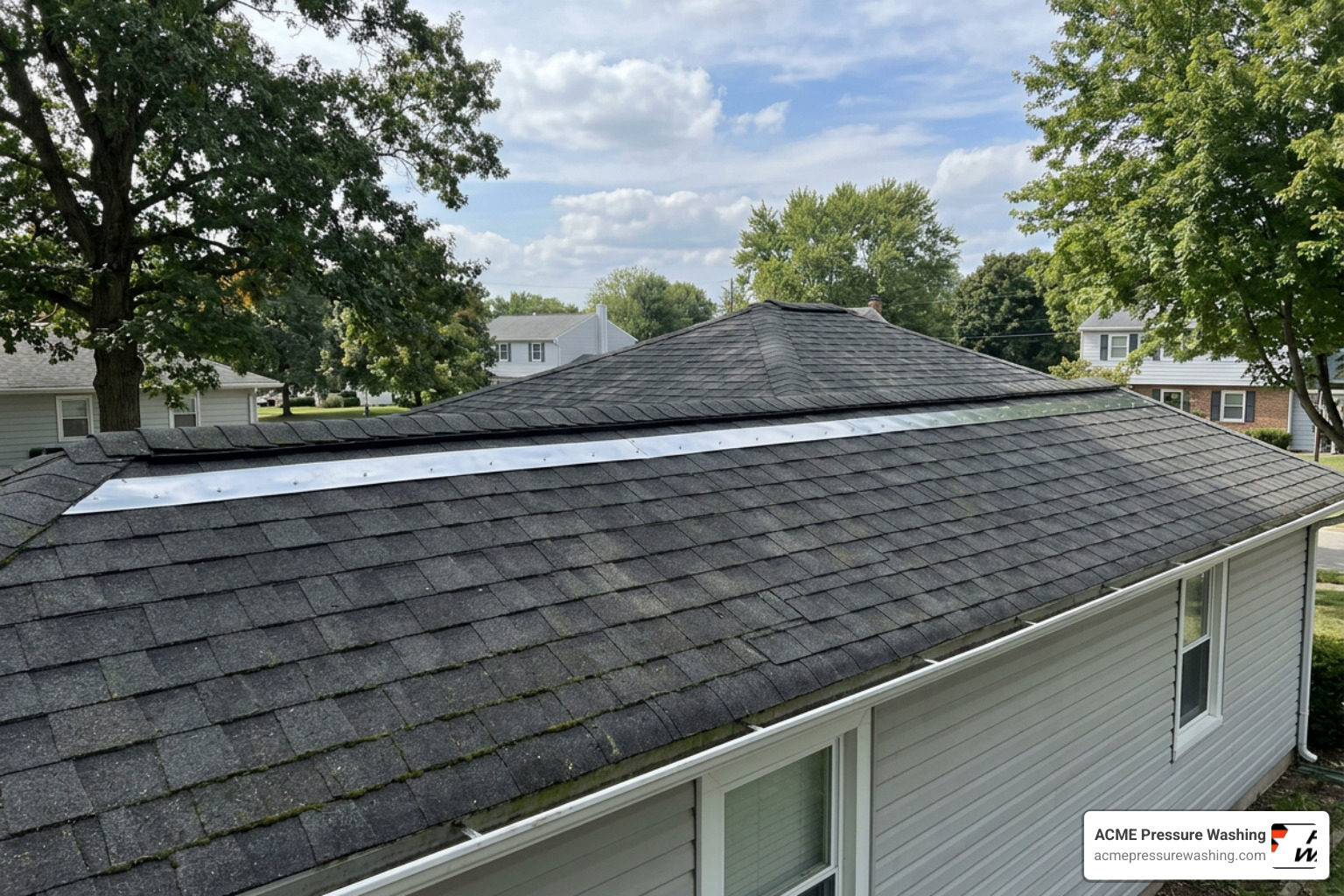
Physical barriers are the closest thing to a “set-it-and-forget-it” solution. Typically installed as thin metallic strips tucked just under the ridge cap of your roof, these barriers rely on natural rain activation to do their job.
When rainwater washes over the exposed portion of the metal, it triggers a chemical reaction that releases metallic ions. As these ions wash down the roof slope, they create an invisible, hostile environment for moss, algae, and lichens, preventing them from ever taking root.
- Zinc Strips: Products like the Moss Boss 2-5/8 in. x 50 ft. Zinc Moss Killer are highly popular and cost-effective. Zinc strips are excellent at preventing growth but have a slightly shorter “reach” down the roof slope compared to copper, usually protecting about 8 to 10 feet of roofing material. For more technical details on how zinc prevents growth, you can check out the FAQs about Z-Stop zinc strips roof moss / algae prevention for roofs.
- Copper Strips: Copper is widely considered the premium physical barrier. Copper ions are more potent than zinc, allowing a single strip to protect up to 15 to 20 feet of roof slope. Additionally, as copper ages, it develops a beautiful, classic greenish-blue patina (verdigris) that blends beautifully with many architectural styles.
Regardless of which metal you choose, installing these strips requires a completely clean roof to start. If you install them over existing, thick moss, the rain-activated ions won’t be able to penetrate the dense growth. To learn more about preparing your shingles and protecting them from damage during the cleaning process, read our expert analysis on Roof Shingle Moss Cleaning: How to Avoid Damage.
Chemical Treatments: Liquid and Granular Preventatives
If physical metal strips aren’t a practical option for your roof’s design, chemical preventatives are a highly effective alternative. These are applied directly to the shingles to kill off microscopic spores before they can grow into visible green clumps.
- Zinc Sulfate Monohydrate: This is the active ingredient in many top-rated commercial powders, such as the 6 lbs. Roof Moss Killer (2-Pack) or the dry formula detailed in the MossOut 300028912 Roofs and Structures 6LB specifications. Highly concentrated zinc sulfate can be applied as dry granules along the ridge line or dissolved in water and sprayed. It provides up to two years of residual protection, as seen with products like the EPA-registered MBW21_Moss B Ware 3lb Label v1.
- Liquid Preventatives: Liquid formulas, including MossOut! For Roofs & Walks | Moss Control, often utilize ammoniated soaps of fatty acids. These are fast-acting, biodegradable, and ideal for quick seasonal touch-ups on low-slope roofs or adjacent walkways.
While chemical treatments are incredibly effective, they do require careful handling. Runoff from heavy rains can wash these chemicals into your gutters and down onto your prized landscaping. We always recommend thoroughly wetting down surrounding plants before and after application to dilute any potential overspray. For a deeper dive into safe handling and chemical options, see our guide on Rolling in the Green: How to Safely Remove Moss Growth on Roof Shingles.
Professional Soft Washing vs. DIY Roof Moss Prevention
Many homeowners are tempted to tackle roof moss prevention as a weekend DIY project. While buying a box of granules or climbing up with a garden hose seems straightforward, the reality of working on a roof can be incredibly dangerous and damaging to your home if you don’t have the proper training.
How DIY Methods Fall Short of the Best Moss Prevention for Roofs
The biggest issue with DIY moss control is safety. Climbing ladders and walking on sloped, slippery roofs is a high-risk activity. When you add water, soap, or chemical treatments to the mix, those shingles become as slick as ice.
Beyond personal safety, DIYers often cause severe, irreversible damage to their own roofs:
- High-Pressure Water Damage: Many homeowners attempt to blast moss away using high-pressure water streams, thinking a strong spray is the fastest way to clean off moss. This is a massive mistake. High pressure strips away the protective ceramic granules embedded in asphalt shingles, instantly aging your roof by a decade and voiding your manufacturer’s warranty. To understand why this is so dangerous, read our article: Can You Power Wash Shingles? Risks and Safer Alternatives.
- Incomplete Eradication: Simply scraping or lightly spraying the visible green moss leaves behind millions of microscopic spores and root-like structures (rhizoids) embedded deep in the shingle fibers. Within months, the moss will grow right back.
- Chemical Runoff: Without professional collection and diversion setups, DIY chemical applications often ruin delicate ornamental plants, stain siding, and can even corrode galvanized gutters.
Why Professional Soft Washing is the Best Moss Prevention for Roofs
At ACME Pressure Washing, we don’t blast your shingles with high pressure. Instead, we utilize a specialized technique called soft washing. Soft washing uses high-volume, low-pressure methods combined with custom-blended, biodegradable solutions.
These eco-friendly solutions gently sink into the porous shingles, killing moss, algae, and lichens at the root level. Once the treatment is applied, the moss instantly dies, turns a snowy white, and naturally washes away over the following weeks as its grip on the shingles releases.
When considering the cost, it is helpful to look at general market data. Sourced from general online data, while a minor touch-up might average a few hundred dollars, comprehensive professional roof preservation and preventative soft wash treatments typically range from $1,200 to $3,500 depending on the size, pitch, and complexity of your roof (please note these are average industry figures and do not reflect ACME’s specific rates). Investing in professional care easily pays for itself by extending your roof’s lifespan by years.
To learn more about why low-pressure cleaning is the gold standard for New Hampshire homes, explore our detailed resource: Merrimack Roof Cleaning: Why Soft Washing Wins.
Frequently Asked Questions about Roof Moss Prevention
How often should roof moss prevention treatments be applied?
For most homes in heavily wooded areas of New Hampshire, we recommend applying preventative chemical treatments annually, ideally in the late summer or early fall before the peak rainy season begins. If you opt for high-quality copper or zinc strips, these only need to be installed once and will provide continuous protection for 20+ years as they slowly weather.
Can you use moss prevention chemicals on all roof types?
Most standard zinc and copper treatments are highly compatible with asphalt shingles, wood shakes, and concrete tiles. However, there are exceptions. For example, zinc strips are generally ineffective on Spanish tile roofs because the curved shape of the tiles prevents rainwater from washing the protective ions evenly across the surface. Always consult a professional before applying chemicals to metal roofs, as certain active ingredients can accelerate rust or corrosion if mismatched.
Will zinc or copper strips damage my gutters?
If you have standard aluminum or vinyl gutters, zinc and copper strips are perfectly safe. However, you must avoid using zinc strips if you have copper gutters, flashing, or downspouts, as mixing different metals can trigger galvanic corrosion, rapidly deteriorating your gutter system.
Conclusion
Preventing roof moss isn’t just about keeping your home looking beautiful; it’s a vital part of preventative home maintenance that saves you thousands of dollars in premature roof replacement costs. Whether you choose physical barriers like copper strips or decide to schedule regular preventative treatments, taking action early is the key to protecting your shingles.
At ACME Pressure Washing, we have over 38 years of experience helping homeowners and businesses across Merrimack, NH, Hollis, NH, Bedford, NH, and surrounding communities protect their properties. We use safe, customized, eco-friendly soft washing techniques designed to deliver long-term results without risking damage to your roof or landscaping.
Beyond roofs, we are proud to offer a full suite of exterior cleaning services to keep your entire property looking its best, including professional house washing, commercial building washing, and specialized fleet washing to keep commercial vehicles sparkling.
Ready to protect your roof and say goodbye to unsightly moss and algae? Contact the local experts at ACME Pressure Washing today!
- Call us at: +1603-883-6900
- Get a free estimate: Request an Online Quote
- Learn more about our roof services: ACME Pressure Washing Roofs